Qué buscas?
No todos empaque del silenciador de escape Los materiales tienen el mismo rendimiento. El empaque interno afecta directamente:
Nivel de ruido del escape
Calidad del tono del sonido
Resistencia al calor
Vida útil del silenciador
Frecuencia de mantenimiento
Elegir el material incorrecto puede provocar un desgaste rápido, ruido excesivo o una restricción del flujo de aire. Esta página explica... Diferencias en el rendimiento del material , ni instalación ni venta de productos, asegurando diferenciación de contenido de otras páginas.
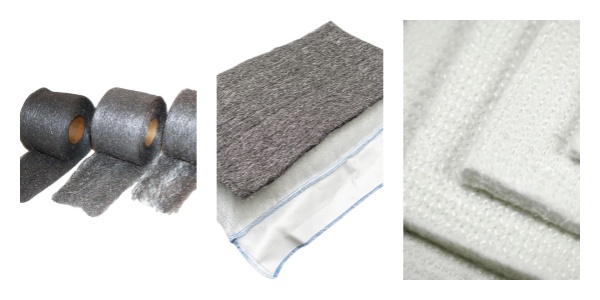
Antes de revisar los materiales individuales, los compradores e ingenieros profesionales generalmente evalúan los materiales de embalaje en función de:
Temperatura máxima de funcionamiento
Eficiencia de absorción acústica
Resistencia a la compresión
Peso y flexibilidad
Estabilidad a largo plazo
Estos factores forman la base de las comparaciones que aparecen a continuación.
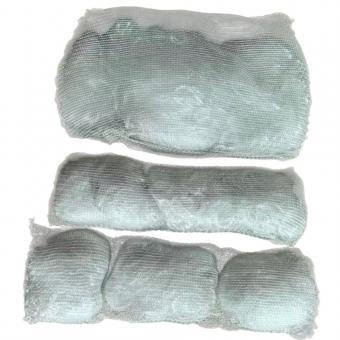
La fibra de vidrio es la El material de embalaje para silenciadores de escape más utilizado por su equilibrio entre costo y rendimiento.
Excelente absorción del sonido
Ligero y fácil de instalar.
Rentable para producción en masa
Vida útil más corta bajo calor extremo
Descomposición gradual de la fibra con el tiempo
Sistemas de escape de motocicletas
Reemplazos de silenciadores del mercado de accesorios
Proyectos OEM sensibles a los costos
El empaque del silenciador de escape de fibra de vidrio es ideal cuando Control de sonido y asequibilidad son las principales prioridades.
La fibra de basalto es una alternativa más nueva, centrada en el rendimiento, que está ganando popularidad en entornos de alta temperatura.
Mayor resistencia al calor que la fibra de vidrio.
Estabilidad estructural mejorada
Intervalos de servicio más largos
Mayor costo del material
Características de manejo ligeramente más rígidas
Escapes de alto rendimiento para motocicletas
Sistemas automotrices de alto rendimiento
Marcas de recambio premium
El empaque del silenciador de escape de fibra de basalto se selecciona a menudo cuando La durabilidad y la tolerancia al calor superan las preocupaciones por el costo .
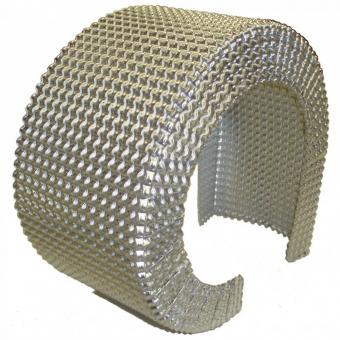
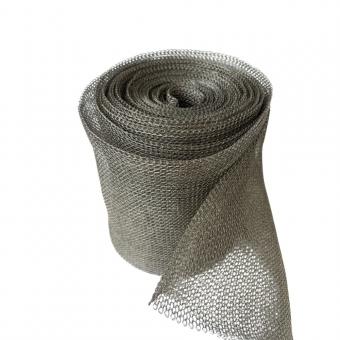
La fibra de acero inoxidable está diseñada para condiciones extremas donde las fibras tradicionales fallan.
Resistencia excepcional al calor
Degradación mínima del material
Vida útil muy larga
Mayor reflexión del ruido
Absorción acústica menos efectiva por sí sola
Mayor coste y peso
Sistemas de escape de carreras
Silenciadores industriales
Aplicaciones de temperaturas extremas
En muchos casos, la fibra de acero inoxidable es mezclado con fibra de vidrio o basalto para equilibrar la absorción acústica y la durabilidad.
| Tipo de material | Resistencia al calor | Absorción de sonido | Esperanza de vida | Nivel de costo |
|---|---|---|---|---|
| Fibra de vidrio | Medio | Excelente | Medio | Bajo |
| Fibra de basalto | Alto | Muy bien | Alto | Medio |
| Fibra de acero inoxidable | Muy alto | Moderado | Muy alto | Alto |
Esta comparación resalta por qué Ningún material de embalaje para silenciador de escape se adapta a todas las aplicaciones .
Los distintos materiales influyen de forma diferente en el tono del escape:
Fibra de vidrio → Sonido más suave y profundo
Fibra de basalto → Tono controlado y orientado al rendimiento
Fibra de acero inoxidable → Nota más aguda y fuerte
La selección del material de embalaje del silenciador de escape adecuado permite a los fabricantes Ajustar las características del sonido del escape , no sólo reducir el ruido.
Utilice esta lógica de selección rápida:
El menor costo y fácil reemplazo → Fibra de vidrio
Alto calor y mayor vida útil. → Fibra de basalto
Entornos extremos y carreras → Fibra de acero inoxidable o soluciones mezcladas
Para los compradores OEM, la selección de materiales debe estar alineada con expectativas del mercado objetivo , ciclos de garantía y requisitos reglamentarios.
Los compradores profesionales a menudo se centran en:
Densidad de fibra constante
Estabilidad de calidad de lote a lote
Formatos personalizados en rollo o precortados
Eficiencia del embalaje para envíos a granel
Elegir el proveedor adecuado de material de embalaje para el silenciador de escape es tan importante como elegir el material en sí.
Sí, para el uso estándar en motocicletas y automóviles, la fibra de vidrio sigue siendo una opción confiable.
En entornos de alta temperatura, la fibra de basalto generalmente ofrece una vida útil más larga.
Sí. Los diseños de empaques híbridos son comunes en los sistemas de escape de alto rendimiento y de carreras.
La fibra de vidrio generalmente proporciona la mayor absorción de sonido.
Generalmente se reserva para aplicaciones extremas o industriales más que para la conducción diaria.
El mejor empaque del silenciador de escape El material depende de la aplicación, la temperatura, los objetivos de ruido y los objetivos de costo. La fibra de vidrio domina los mercados de volumen, la fibra de basalto satisface las necesidades de rendimiento y la fibra de acero inoxidable se adapta a condiciones extremas.
Comprender estas diferencias permite a los compradores y fabricantes tomar decisiones. decisiones informadas y orientadas al rendimiento .

No.10, Chuangxin North Road, Nanshan Park, Ningguo Economic and Technological Development Zone, Ningguo City, Anhui Province, China
teléfono/Whatsapp : 0086-15856303740
Email : sales@bstbraidedsleeve.com
Skype : vanesa-cheng