Qué buscas?
Elegir el material adecuado para el escudo térmico automotriz no se limita a seleccionar el metal con mayor resistencia a la temperatura. En aplicaciones reales para vehículos, el mejor material depende del nivel de calor, la vibración, la exposición a la corrosión, el espacio de instalación, los objetivos de peso, los requisitos de conformado y las expectativas de costo. Entre las opciones más utilizadas, el aluminio, el acero inoxidable y el Inconel cumplen diferentes funciones en la protección térmica automotriz.
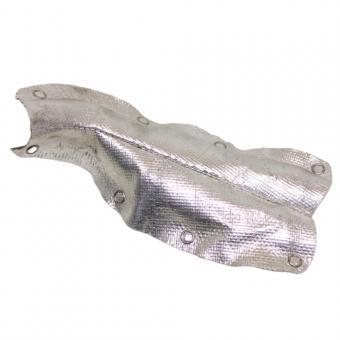
En BSTFLEX fabricamos una amplia gama de protectores térmicos para automóviles Para sistemas de escape, zonas de turbocompresor, convertidores catalíticos, silenciadores, bajos del vehículo y componentes del compartimento del motor. Nuestra gama de productos incluye protectores térmicos de aluminio, protectores térmicos de acero inoxidable y soluciones de aleación de alto rendimiento para entornos térmicos más extremos.
Un escudo térmico para automóviles debe hacer más que reflejar o bloquear el calor. Debe seguir funcionando incluso expuesto a ciclos térmicos, vibraciones, salpicaduras de la carretera, flujo de aire, oxidación y esfuerzos mecánicos. Un material que funciona bien en un lugar puede no ser adecuado en otro. Por ejemplo, una barrera reflectante ligera puede ser ideal para un panel cortafuegos, mientras que cerca de un turbocompresor o un colector de escape se podría necesitar una barrera moldeada de alta resistencia.
Por ello, la selección del material debe basarse en el entorno operativo real, no solo en las especificaciones de temperatura. El material adecuado para el escudo térmico ayuda a mantener su forma, controlar la transferencia de calor radiante, proteger las piezas circundantes y prolongar su vida útil.
Los escudos térmicos de aluminio se utilizan ampliamente donde se requiere bajo peso, buena reflectividad y una gestión térmica eficaz. En sistemas automotrices, los escudos de aluminio se eligen con frecuencia para el control del calor radiante, especialmente cuando el diseño exige estructuras más ligeras o una mayor facilidad de conformado en zonas térmicas moderadas.
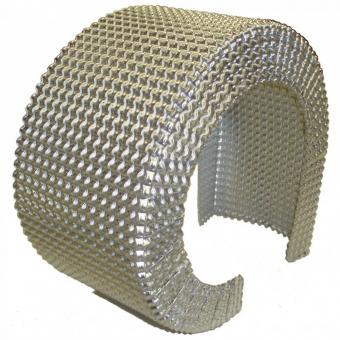
BSTFLEX ofrece soluciones basadas en aluminio, tales como: Kit de protección térmica de escape de aluminio y Protector térmico de escape de aluminio .
El aluminio suele ser una excelente opción cuando la aplicación prioriza la reducción de peso, el rendimiento reflectante y la gestión térmica rentable. Resulta especialmente útil en lugares donde la carga térmica es significativa, pero no alcanza el nivel máximo de exposición continua.
En comparación con el acero inoxidable o las aleaciones de níquel, el aluminio suele ser menos adecuado cuando el escudo debe soportar cargas estructurales más severas, calor extremo prolongado o condiciones de servicio muy agresivas cerca de los gases de escape.
Los protectores térmicos de acero inoxidable se eligen habitualmente cuando el diseño requiere un equilibrio entre resistencia a la temperatura, durabilidad estructural, resistencia a la corrosión y estabilidad dimensional a largo plazo. En los sistemas de escape de automóviles, el acero inoxidable suele ser el material más práctico para protectores moldeados, protectores estampados y piezas expuestas a vibraciones y ciclos de calentamiento repetidos.
BSTFLEX ofrece opciones de protección térmica de acero inoxidable, incluyendo: Protector térmico de acero inoxidable y Lámina de barrera térmica de acero inoxidable .
El acero inoxidable suele ser la opción preferida cuando la protección debe mantener su forma, resistir la deformación por vibraciones y soportar la exposición directa al calor de los gases de escape de los automóviles durante una larga vida útil. Resulta especialmente útil en aplicaciones donde la propia protección forma parte estructural del sistema de barrera térmica.
Si bien el acero inoxidable ofrece un rendimiento excelente en muchas aplicaciones de escape, algunas zonas con temperaturas extremas pueden requerir una aleación de mayor calidad si la temperatura, el entorno corrosivo o los requisitos de durabilidad superan el rango práctico de las construcciones estándar de acero inoxidable.
Los protectores térmicos de Inconel se eligen para los entornos térmicos más exigentes, donde las soluciones estándar de aluminio o acero inoxidable podrían no ofrecer un margen de rendimiento suficiente a largo plazo. En el sector automotriz y de competición, el Inconel se asocia frecuentemente con zonas de calor de turbocompresores, sistemas de escape a muy alta temperatura y aplicaciones donde la resistencia, la resistencia a la oxidación y la estabilidad en condiciones de calor extremo son fundamentales.
BSTFLEX ofrece Protector térmico de aleación Inconel 625 para entornos extremos de escape y turbocompresor.
El Inconel suele ser el material idóneo cuando la aplicación implica calor extremo, condiciones de funcionamiento exigentes o un rendimiento que supera las expectativas de los blindajes de aluminio y acero inoxidable. Se suele elegir cuando la fiabilidad bajo estrés térmico extremo es más importante que el coste del material.
El Inconel es un material de primera calidad y, por lo general, no es necesario para todas las aplicaciones de protección térmica. Para muchos proyectos automotrices convencionales, el acero inoxidable o el aluminio pueden ofrecer un equilibrio más práctico entre rendimiento y costo.
| Factor | Aluminio | Acero inoxidable | Inconel |
|---|---|---|---|
| Peso | Más bajo | Más alto | Más alto |
| Resistencia estructural | Moderado | Fuerte | Muy resistente en aplicaciones de calor extremo. |
| Idoneidad para zonas de calor | De moderado a alto, según la aplicación. | Alto para muchas aplicaciones de escape | Ambientes de calor extremo |
| Resistencia a la corrosión | Bien | Fuerte | Excelente en entornos difíciles. |
| Conformado y fabricación de escudos | Bien | Muy bien | Aplicación específica |
| Uso típico | Barreras reflectantes ligeras | Escape y escudos estructurales formados | Zonas de calor extremo y de turbocompresor |
| Nivel de costo | Más bajo | Moderado | Máximo |
El mejor material para el aislamiento térmico depende de las características específicas de la aplicación. En la mayoría de los proyectos, el material debe seleccionarse en función de los siguientes factores:
Como norma general, el aluminio se suele elegir para la protección reflectante ligera, el acero inoxidable para los escudos térmicos estructurales de escape duraderos y el Inconel para los entornos térmicos más severos.
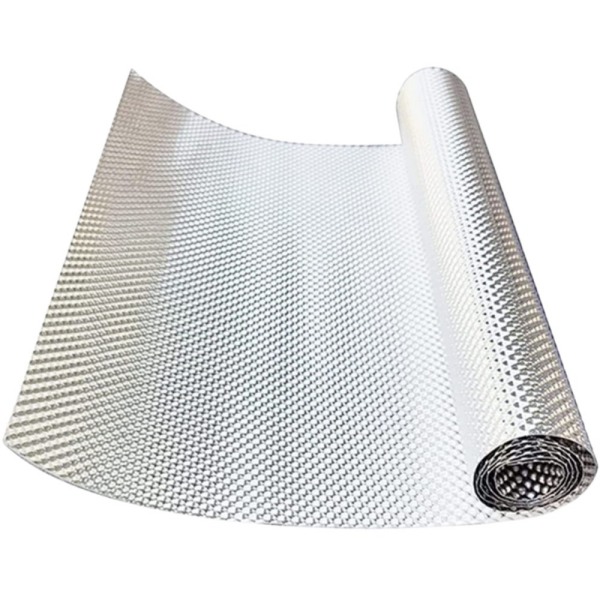
BSTFLEX ofrece servicios de fabricación a medida de protectores térmicos para automóviles, basados en planos, muestras o requisitos de protección térmica. Según el proyecto, las soluciones personalizadas pueden incluir estructuras en relieve, barreras metálicas moldeadas, diseños multicapa, protectores con aislamiento y sistemas de montaje específicos para cada aplicación.
Para recomendar el material más adecuado, los detalles más útiles del proyecto incluyen la posición de instalación, el tipo de fuente de calor, el rango de temperatura, el espacio disponible, las dimensiones objetivo, el método de montaje, la cantidad prevista y si se dispone de una muestra o un plano.
El aluminio, el acero inoxidable y el Inconel cumplen funciones importantes en el diseño de protectores térmicos para automóviles. El aluminio suele ser la opción preferida para barreras reflectantes ligeras, el acero inoxidable es generalmente la opción más práctica para protectores térmicos de escape duraderos y conformados, y el Inconel se reserva para las aplicaciones más exigentes de calor extremo. La elección correcta depende de las condiciones reales de servicio, más que de una simple clasificación de materiales.
Si está comparando materiales para una aplicación de escape, turbo, convertidor catalítico, cortafuegos o bajos de carrocería, BSTFLEX puede respaldar su proyecto con soluciones personalizadas. Soluciones de protección térmica para automóviles , incluyendo aluminio, acero inoxidable y Protector térmico de aleación Inconel 625 opciones.
El material más adecuado depende de la aplicación. El aluminio se suele utilizar para barreras reflectantes ligeras, el acero inoxidable para escudos térmicos estructurales duraderos y el Inconel para entornos de calor extremo.
En muchas aplicaciones de sistemas de escape, se prefiere el acero inoxidable porque ofrece una mayor durabilidad estructural, una mejor resistencia a la deformación relacionada con las vibraciones y un rendimiento fiable a largo plazo cerca de componentes calientes del sistema de escape.
El Inconel se suele elegir cuando la aplicación implica calor extremo, zonas de turbocompresores, ciclos térmicos severos o requisitos de durabilidad exigentes que van más allá del rendimiento típico de los escudos térmicos de aluminio o acero inoxidable.
Sí. El aluminio sigue siendo una opción práctica para muchas aplicaciones de protección térmica en la industria automotriz, especialmente cuando el bajo peso y el control del calor por reflexión son importantes.
Sí. Los protectores térmicos personalizados pueden fabricarse en aluminio, acero inoxidable o aleaciones de alto rendimiento, según la temperatura de funcionamiento, los requisitos estructurales, el espacio de instalación y las necesidades del proyecto.

No.10, Chuangxin North Road, Nanshan Park, Ningguo Economic and Technological Development Zone, Ningguo City, Anhui Province, China
teléfono/Whatsapp : 0086-15856303740
Email : sales@bstbraidedsleeve.com
Skype : vanesa-cheng