Qué buscas?
La cinta aislante de fibra de vidrio es una de las formas más utilizadas de aislamiento térmico flexible para colectores de automóviles, tubos de escape, sistemas de motocicletas y líneas de escape industriales.
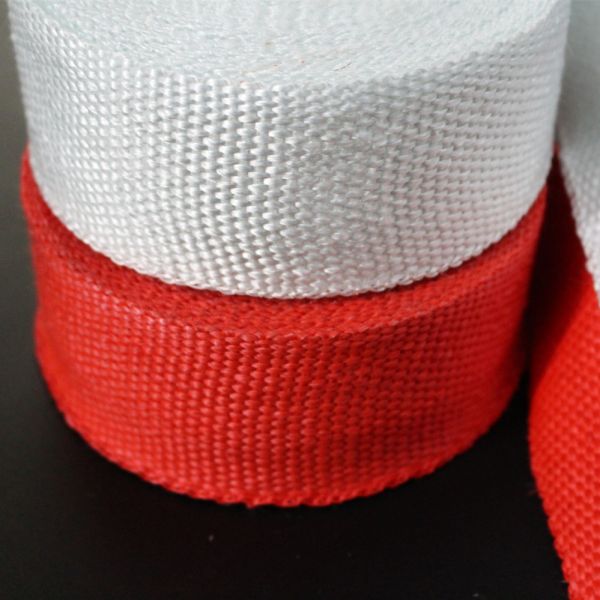
También descrita como cinta térmica de fibra de vidrio para escape, cinta de fibra de vidrio para colectores, cinta de fibra de vidrio para tubos de escape o cinta de fibra de vidrio para escape, el material se teje en cintas estrechas que pueden envolverse directamente alrededor de los tubos de escape calientes.
BSTFLEX fabrica una gama de cinta térmica para escape y colectores para aplicaciones de gestión térmica en automoción, motocicletas, carreras, diésel e industria.
Para los compradores, las preguntas importantes no son simplemente si la cinta es de fibra de vidrio. El ancho, la longitud del rollo, el tejido, el revestimiento, la temperatura de escape, el diámetro del tubo y la geometría de instalación afectan el resultado final.
La fibra de vidrio combina varias propiedades que la hacen práctica para el aislamiento de escapes:
buena resistencia térmica;
construcción tejida flexible;
fácil adaptación alrededor de tubos y curvas;
costo de material relativamente bajo;
disponibilidad en múltiples anchos y longitudes de rollo;
compatibilidad con aplicaciones de escape automotrices e industriales.
En comparación con los protectores rígidos, la cinta de fibra de vidrio puede seguir la geometría compleja de los tubos sin requerir un componente metálico formado.
Esto la hace especialmente útil alrededor de colectores tubulares, colectores de escape y secciones largas de tubería.
La cinta de fibra de vidrio se selecciona comúnmente cuando la aplicación necesita una contención térmica efectiva pero no requiere la capacidad de temperatura más alta del aislamiento a base de sílice.
Un tubo de escape caliente transfiere calor al área circundante por radiación y convección.
Envolver el tubo con una capa de aislamiento de fibra de vidrio tejida reduce la cantidad de calor transferido directamente hacia los componentes cercanos.
Los objetivos típicos incluyen:
reducir el calor radiante alrededor del escape;
proteger el cableado y las mangueras;
reducir la exposición al calor en los paneles de la carrocería y los pisos;
mejorar el control térmico dentro del compartimiento del motor;
reducir el contacto accidental con superficies de escape calientes.
La cinta se instala directamente alrededor del tubo en una espiral superpuesta.
El rendimiento térmico final depende del material, el grosor, la superposición, la temperatura de escape y la calidad de la instalación.
Los colectores son una de las aplicaciones más comunes para la cinta de fibra de vidrio para escape.
Los colectores tubulares crean una gran superficie caliente y a menudo pasan cerca de:
cables de encendido;
mangueras;
componentes de freno;
conectores eléctricos;
componentes de admisión;
estructuras de la carrocería.
Una flexible cinta aislante de fibra de vidrio para colectores puede seguir los tubos primarios individuales y los colectores más fácilmente que muchos sistemas de aislamiento rígidos.
Para geometrías de colector complicadas, una cinta más estrecha es generalmente más fácil de instalar.
Los tubos de escape largos y los bajantes a menudo se benefician de una cinta más ancha.
Una cinta de fibra de vidrio para tubos de escape se puede instalar en:
tuberías de escape rectas;
tubos colectores;
bajantes;
secciones traseras;
líneas de escape diésel;
tubos de escape de generadores.
Las secciones rectas son generalmente más rápidas de envolver que los colectores complejos porque se requiere menos ajuste de material alrededor de las curvas.
Para tubos de escape industriales grandes, una cinta más ancha o chaquetas aislantes extraíbles pueden ser más eficientes que la cinta de estilo automotriz estrecha.
El ancho es uno de los factores de selección prácticos más importantes.
Una cinta de 1 pulgada es útil para:
tuberías de diámetro pequeño;
curvas de radio estrecho;
colectores de motocicletas;
primarios de colector complejos;
colectores con espacio de trabajo limitado.
La cinta más estrecha se adapta más fácilmente a los cambios de dirección.
Su desventaja es el tiempo de instalación. Se requieren más vueltas para cubrir la misma longitud de tubo.
Una cinta de 2 pulgadas se selecciona comúnmente para:
colectores más grandes;
tubos de escape;
bajantes;
tuberías rectas;
secciones de tubo más largas.
Cubre más superficie por vuelta y puede reducir el tiempo de instalación.
Los fabricantes actuales de cintas para escape ofrecen comúnmente formatos de 1 y 2 pulgadas, siendo los rollos de 2 pulgadas especialmente comunes para aplicaciones generales de escape automotriz. Heatshield Products, por ejemplo, ofrece actualmente cinta de fibra de vidrio en anchos de 1, 2, 4 y 6 pulgadas, mientras que DEI enumera configuraciones de Glass Fiber Wrap tanto de 1 como de 2 pulgadas.
Para proyectos de producción, el ancho debe seleccionarse de acuerdo con el diámetro y la geometría del tubo en lugar de elegir un tamaño únicamente porque está ampliamente disponible.
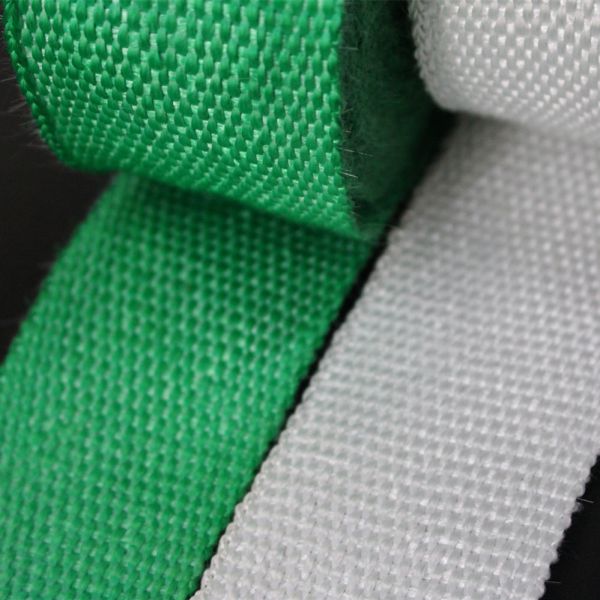
Las longitudes comunes de los rollos de cinta para escape al por menor incluyen:
15 pies;
25 pies;
50 pies;
100 pies.
Los clientes industriales y OEM pueden requerir rollos más largos para reducir las uniones y los residuos de embalaje.
El consumo de material depende de:
diámetro exterior de la tubería;
longitud de la tubería;
ancho de la envoltura;
superposición;
número de curvas;
geometría del colector.
Un colector con múltiples tubos primarios puede requerir significativamente más material que un tubo de escape recto de longitud total similar.
Para la producción repetida, calcular el consumo a partir de un dibujo real de la tubería o una muestra física es más fiable que estimar a partir del tipo de vehículo.
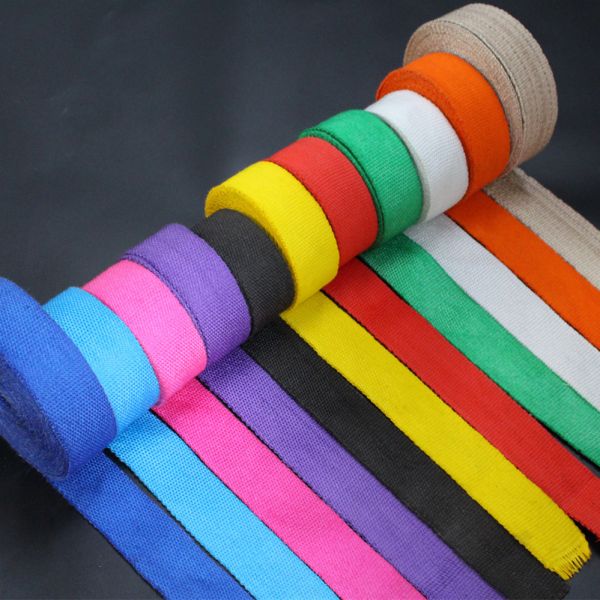
La envoltura de escape de fibra de vidrio negra se selecciona frecuentemente cuando la apariencia es importante o cuando la instalación terminada debe integrarse en un compartimento del motor oscuro.
La apariencia negra puede ser creada por un recubrimiento o tratamiento aplicado a la estructura de fibra de vidrio.
Los compradores deben distinguir entre:
el aislamiento base de fibra de vidrio;
el color o recubrimiento de la superficie;
la temperatura de funcionamiento declarada.
El color por sí solo no determina el rendimiento térmico.
Al especificar envoltura de escape de fibra de vidrio negra, solicite la construcción real del material y la clasificación de temperatura en lugar de asumir que cada producto negro tiene las mismas propiedades.
BSTFLEX ofrece productos de protección térmica de escape negros dentro de su gama de productos de envoltura de escape para aplicaciones donde tanto el rendimiento térmico como la apariencia son consideraciones.
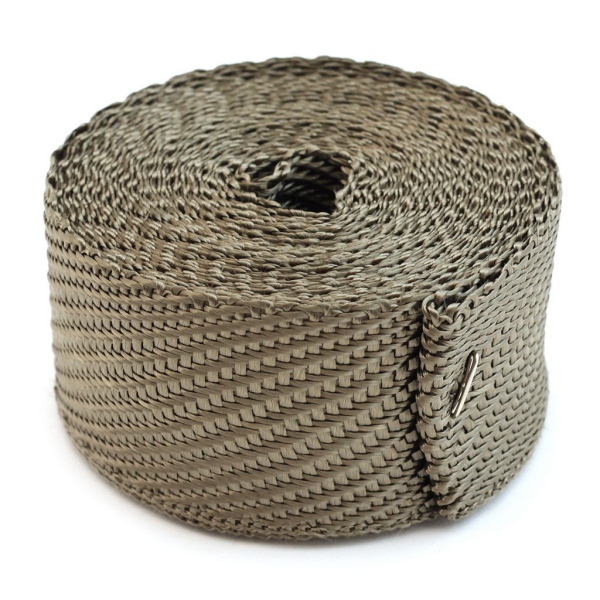
La fibra de vidrio y el basalto son materiales comunes de aislamiento de escape.
| Factor | Envoltura de escape de fibra de vidrio | Envoltura estilo titanio |
|---|---|---|
| Material base | Fibra de vidrio | fibra de roca volcánica |
| Uso típico | Aislamiento de escape general | Rendimiento y aplicaciones de mayor calor |
| Costo | Generalmente más bajo | Generalmente más alto |
| Flexibilidad | Bueno | Bueno |
| Opciones de color | Blanco, tostado, negro | Marrón, bronce, negro |
| Aplicaciones comunes | Colectores, tuberías, motocicletas | Colectores, bajantes, carreras, sistemas turbo |
La fibra de vidrio es a menudo la opción más económica para el control térmico general de escapes.
El material a base de basalto se vuelve más relevante cuando la aplicación implica temperaturas más altas, ciclos térmicos repetidos o sistemas de escape de alto rendimiento.
Para una comparación detallada de materiales, BSTFLEX también proporciona Envoltura de escape de titanio: material, temperatura y aplicaciones.
La sílice ocupa una posición de mayor temperatura en la gama de aislamiento de escapes.
La fibra de vidrio es adecuada para muchas aplicaciones generales de escape automotrices e industriales.
La sílice debe considerarse cuando:
la temperatura continua es significativamente más alta;
la envoltura está ubicada cerca de los colectores turbo;
las temperaturas de escape en carreras son severas;
la fibra de vidrio convencional no proporciona suficiente margen de temperatura.
BSTFLEX fabrica Envoltura térmica para colectores de escape de alta temperatura Inferno para aplicaciones de temperatura severa donde una construcción de alto contenido de sílice es más apropiada.
El material correcto debe seleccionarse según la temperatura de funcionamiento real en lugar de asumir que el material de mayor temperatura es siempre necesario.
La envoltura térmica de escape de fibra de vidrio se utiliza en una amplia gama de equipos.
Se utiliza para controlar el calor radiante alrededor de los colectores de escape tubulares y proteger los componentes cercanos.
Útil alrededor de los tubos colectores expuestos y los tubos de escape ubicados cerca del conductor o de los paneles de la carrocería.
Adecuado donde la temperatura de funcionamiento permanece dentro de la capacidad del material de fibra de vidrio.
Se utiliza donde se necesita contención térmica alrededor de los colectores y los tubos de escape.
Para aplicaciones turbo más severas, el basalto o la sílice pueden proporcionar un mayor margen de temperatura.
La envoltura de fibra de vidrio puede utilizarse en tubos de escape diésel donde el calor sostenido y la protección del personal sean una preocupación.
Las tuberías de escape de los generadores pueden beneficiarse de un aislamiento flexible cuando los equipos o el personal cercanos requieren protección contra el calor.
La envoltura de fibra de vidrio también se utiliza alrededor de tubos de escape industriales más pequeños, conductos calientes y líneas de escape de equipos.
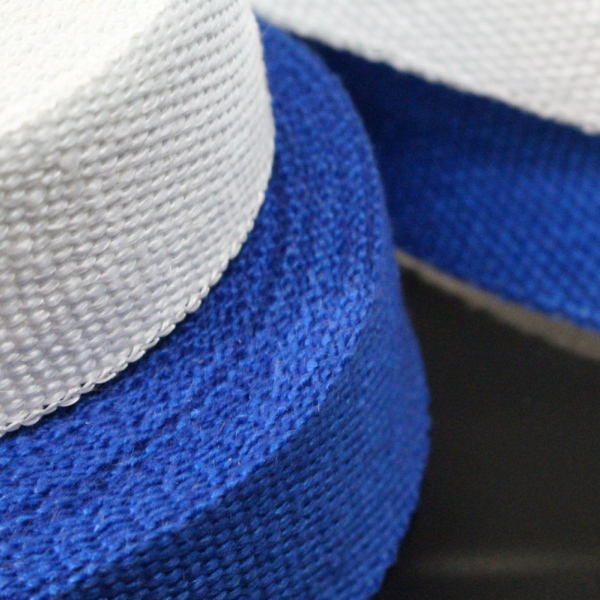
Las clasificaciones de temperatura deben evaluarse cuidadosamente.
Los productos de envoltura de fibra de vidrio de la competencia suelen publicar límites de temperatura continua y de corta duración en lugar de un único valor máximo. Heatshield Products actualmente clasifica su Original Fiberglass Exhaust Wrap a 1200°F de forma continua y 2000°F de forma intermitente, mientras que DEI enumera 1200°F de resistencia al calor directo y 2000°F de resistencia al calor radiante para sus sistemas Glass Fiber Wrap.
Estos valores de la competencia no deben tratarse como especificaciones universales de fibra de vidrio.
Para el abastecimiento de BSTFLEX, los compradores deben confirmar:
temperatura de funcionamiento continuo;
temperatura máxima;
si el valor es directo, radiante o intermitente;
limitaciones del recubrimiento;
entorno de instalación.
Diferentes construcciones de fibra de vidrio pueden tener diferentes capacidades de temperatura.
La envoltura de escape de fibra de vidrio normalmente se instala con una superposición constante entre vueltas.
La superposición afecta a:
cobertura térmica;
espesor final;
consumo de material;
estabilidad de la instalación.
Algunos sistemas comerciales utilizan líneas guía o recomiendan una dimensión de superposición específica. DEI, por ejemplo, proporciona productos de envoltura con orientación de instalación y actualmente utiliza una superposición recomendada de 0.25 pulgadas en su calculadora de envoltura de escape.
Eso no significa que cada envoltura deba usar la misma superposición.
Los clientes de BSTFLEX deben seguir la especificación de instalación suministrada para el producto y la aplicación seleccionados.
La envoltura de escape debe asegurarse para que no pueda desenrollarse durante la vibración y los ciclos de calor repetidos.
Los métodos de sujeción comunes incluyen:
bridas de bloqueo de acero inoxidable;
alambre de acero inoxidable;
abrazaderas metálicas;
bandas de fijación específicas para la aplicación.
Las bridas de acero inoxidable se utilizan ampliamente porque toleran mejor las temperaturas de escape que las bridas de plástico ordinarias.
Para kits OEM, la envoltura de escape y las bridas de fijación de acero inoxidable pueden empaquetarse juntas según los requisitos del proyecto.
Algunos instaladores humedecen ligeramente la envoltura de fibra de vidrio antes de la instalación para que la cinta tejida sea temporalmente más fácil de manejar alrededor de las curvas.
Sin embargo, este no es un requisito universal.
Si el prehumedecido es apropiado depende de:
tejido;
revestimiento;
construcción del producto;
instrucciones de instalación.
No asuma que toda la cinta aislante de fibra de vidrio para escapes debe remojarse.
Siga las instrucciones del producto específico.
Por lo general, una junta de escape flexible no debe tratarse automáticamente como un tubo de escape rígido.
Las secciones flexibles se mueven durante la vibración del motor y la expansión térmica.
Envolver una junta flexible puede restringir el movimiento o hacer que la cinta se desgaste prematuramente.
DEI advierte específicamente a los usuarios que no envuelvan tubos y juntas flexibles con su cinta de fibra de vidrio (Glass Fiber Wrap).
Cuando se requiere protección térmica alrededor de una junta flexible, puede ser más adecuada una solución de escudo, funda o aislamiento extraíble por separado.
Los convertidores catalíticos ya funcionan a altas temperaturas internas.
Añadir aislamiento directo puede aumentar el calor retenido.
DEI desaconseja específicamente envolver los convertidores catalíticos porque el exceso de temperatura retenida puede reducir la vida útil del convertidor.
Un escudo térmico independiente suele ser una mejor solución cuando el objetivo es proteger el piso, el túnel o los componentes cercanos del calor del convertidor catalítico.
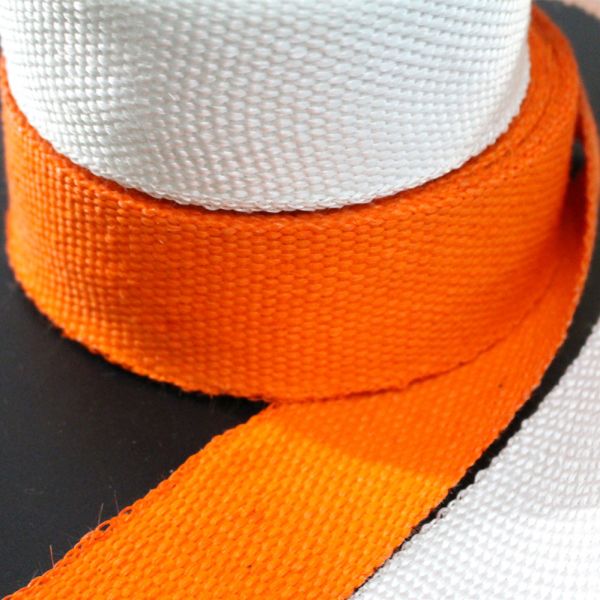
Para un cálculo repetible, se requieren cuatro datos:
diámetro exterior del tubo;
longitud total del tubo;
ancho de la cinta;
superposición.
Las curvas y los colectores aumentan el consumo de material.
Es por esto que las calculadoras de cinta para escapes utilizadas por los competidores actuales solicitan el diámetro exterior del tubo, la longitud del tubo, el ancho de la cinta y la superposición en lugar de solo el modelo del vehículo. DEI utiliza actualmente exactamente estas variables en la calculadora de su página de producto.
Para ensamblajes de escape OEM, BSTFLEX puede calcular el uso aproximado de material a partir de dibujos, dimensiones o muestras físicas.
Los clientes minoristas y de posventa a menudo prefieren kits de instalación completos.
Un kit típico de cinta para escapes puede incluir:
cinta de fibra de vidrio para escapes;
bridas de bloqueo de acero inoxidable;
instrucciones de instalación;
productos de revestimiento o acabado opcionales.
Heatshield Products y DEI comercializan actualmente kits de cinta de fibra de vidrio para escapes que combinan la cinta con bridas metálicas y componentes de instalación relacionados.
Para proyectos de marca privada y distribución, BSTFLEX puede admitir configuraciones de kit personalizadas y empaques basados en los tamaños de rollo y combinaciones de accesorios requeridos.
Para una cotización, proporcione la mayor cantidad posible de la siguiente información:
ancho de la cinta de fibra de vidrio;
longitud del rollo;
espesor;
color;
temperatura de funcionamiento;
diámetro del tubo de escape;
aplicación;
cantidad requerida;
formato de embalaje;
accesorios requeridos.
Para proyectos OEM, los dibujos o las dimensiones de la tubería son particularmente útiles al calcular el consumo de rollos.
BSTFLEX fabrica productos textiles de alta temperatura para la gestión térmica industrial y automotriz.
Para proyectos de cinta térmica de fibra de vidrio para escapes, las opciones de suministro pueden incluir:
anchos personalizados;
longitudes de rollo personalizadas;
configuraciones en color negro o natural;
rollos a granel;
kits de bridas de acero inoxidable;
kits de cinta térmica para escapes minoristas;
embalaje de marca privada;
embalaje para distribuidores;
suministro OEM.
Esto permite que el producto se especifique según los requisitos de producción en lugar de limitarse a tamaños de rollo minoristas fijos.
Vea la gama completa de cintas térmicas para escapes y colectores BSTFLEX para productos de aislamiento térmico de escapes de fibra de vidrio, basalto, sílice y otros.
La cinta térmica de fibra de vidrio para escapes es una cinta tejida de fibra de vidrio de alta temperatura que se instala directamente alrededor de los tubos de escape y colectores para reducir la transferencia de calor hacia los componentes circundantes.
Sí. Los colectores son una de las aplicaciones más comunes porque la cinta estrecha de fibra de vidrio puede seguir los tubos primarios y colectores tubulares.
Ninguna es universalmente mejor. La cinta de una pulgada es más fácil de colocar alrededor de tubos pequeños y curvas cerradas, mientras que la cinta de dos pulgadas generalmente cubre tuberías más grandes o más rectas más rápidamente.
La cinta térmica de fibra de vidrio negra para escapes es un aislamiento térmico a base de fibra de vidrio con un tratamiento o revestimiento de superficie oscuro. Los compradores deben verificar la fibra subyacente, el revestimiento y la clasificación de temperatura.
La fibra de vidrio suele ser una opción práctica y económica de uso general. La cinta estilo titanio a base de basalto a menudo se selecciona para aplicaciones de mayor temperatura o rendimiento.
No. La cinta térmica de fibra de vidrio estándar para escapes está diseñada para aislamiento térmico, no para reparación estructural de escapes o sellado de fugas.
Sí. Los proyectos de OEM y distribuidores pueden especificarse según los requisitos de ancho, longitud de rollo, embalaje, accesorios y cantidad.

No.10, Chuangxin North Road, Nanshan Park, Ningguo Economic and Technological Development Zone, Ningguo City, Anhui Province, China
teléfono/Whatsapp : 0086-15856303740
Email : sales@bstbraidedsleeve.com
Skype : vanesa-cheng