Qué buscas?
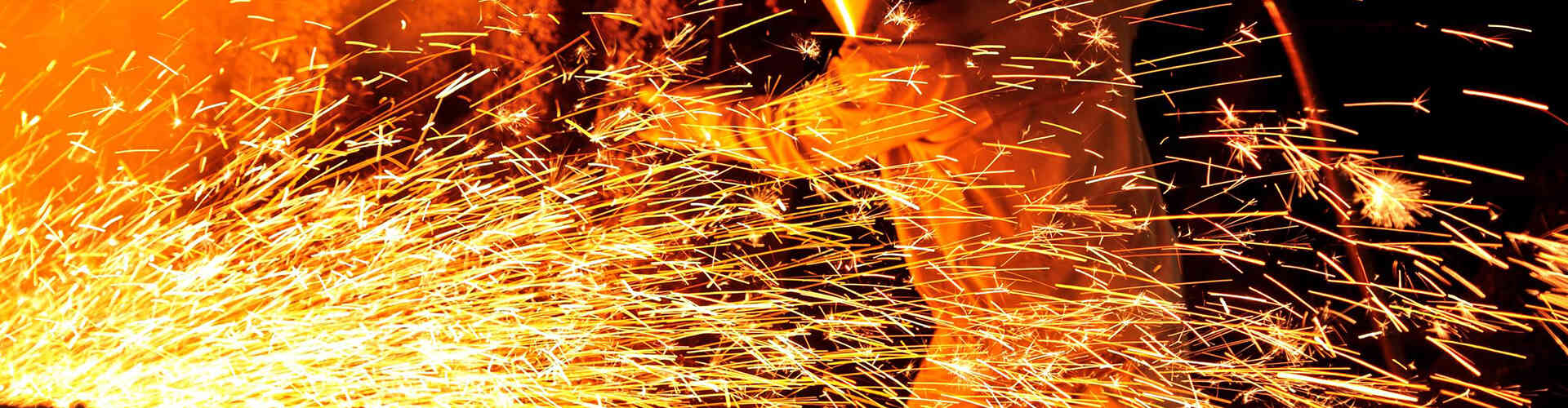
Empaquetadura de silenciador de 4 tiempos tiene que gestionar la energía acústica mientras funciona junto a un núcleo de escape perforado caliente durante períodos prolongados. En sistemas de escape para motocicletas, ATV, UTV, carreras y de alto rendimiento, la especificación correcta de la empaquetadura depende de mucho más que de si el motor se describe simplemente como de cuatro tiempos.
La temperatura del escape, las dimensiones del silenciador, el volumen de la empaquetadura, el tipo de fibra, la densidad instalada, la velocidad de los gases, la vibración y la posición de la empaquetadura en relación con el núcleo perforado afectan la selección del material.
BSTFLEX suministra fibra de vidrio, fibra de basalto, lana de acero inoxidable y construcciones de empaquetadura de escape personalizadas para aplicaciones de reemplazo y producción de silenciadores de escape OEM.
Ver materiales de empaquetadura de silenciador | Solicitar una recomendación de empaquetadura
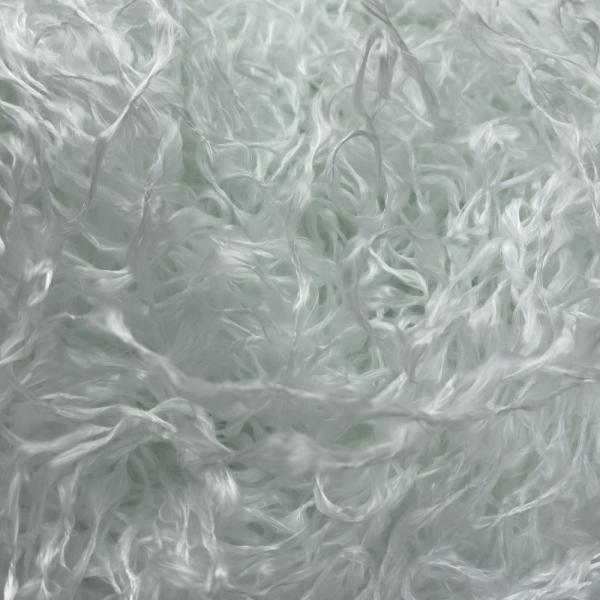
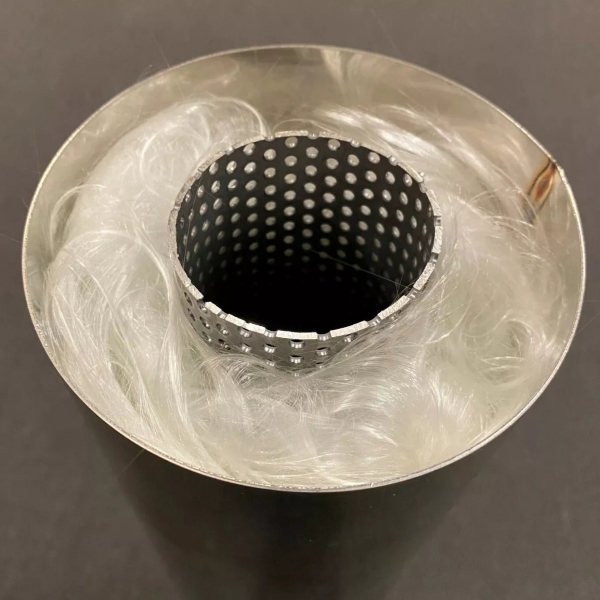
Un silenciador de cuatro tiempos normalmente utiliza una sección de absorción en la que el material de empaquetadura rodea un núcleo perforado. Los gases de escape permanecen dentro del núcleo mientras la energía acústica pasa a través de las perforaciones hacia el material fibroso circundante.
Para aplicaciones exigentes, el material cercano al núcleo puede estar expuesto a calor sostenido, vibraciones y pulsos de escape. Por lo tanto, la pregunta de ingeniería no es simplemente:
"¿Qué empaquetadura se ajusta a un silenciador de cuatro tiempos?"
Una especificación más útil pregunta:
BSTFLEX ofrece varias direcciones de materiales para silenciadores de escape de cuatro tiempos. No deben tratarse como productos intercambiables simplemente porque todos ellos pueden describirse como empaquetadura de alta temperatura.
| Dirección del material | Por qué puede ser seleccionado | Preguntas típicas de especificación |
|---|---|---|
| Empaquetadura de silenciador de fibra de vidrio | Material de empaquetadura acústica común para silenciadores de escape de motocicletas, deportes de motor y alto rendimiento. | Construcción de fibra, peso de la empaquetadura, densidad, dimensiones y temperatura de servicio. |
| Empaquetadura de silenciador de fibra de basalto | Una construcción alternativa de fibra mineral para aplicaciones que requieren una mayor capacidad térmica que la empaquetadura de fibra de vidrio convencional. | Temperatura de funcionamiento, forma de la empaquetadura, peso de la fibra y condiciones de servicio requeridas. |
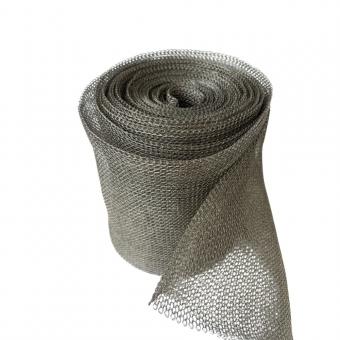
| Lana de acero inoxidable | Puede colocarse cerca del núcleo perforado como una empaquetadura metálica o capa protectora donde el calor y la erosión de la fibra son consideraciones importantes. | Grado de acero, estructura de fibra, espesor de capa, peso de la empaquetadura y posición dentro del silenciador. |
| Sistema de empaquetadura compuesta | Combina diferentes materiales para que la capa interna gestione las condiciones severas del núcleo mientras la capa fibrosa circundante proporciona el volumen principal de empaquetadura acústica. | Secuencia de capas, combinación de materiales, dimensiones, peso de llenado y método de retención. |
| Empaquetadura precontenida | Empaquetadura fibrosa contenida en una bolsa de malla, almohada o calcetín para un manejo más limpio y un ensamblaje de producción repetible. | Diámetro exterior terminado, diámetro interior, longitud, peso de llenado, densidad y embalaje. |
La fibra de vidrio sigue siendo una opción importante para relleno de escape de 4 tiempos porque las estructuras de fibra de vidrio pueden proporcionar absorción acústica mientras toleran temperaturas mucho más allá de los materiales de aislamiento orgánicos comunes.
La especificación real, sin embargo, debe identificar la construcción de la fibra de vidrio en lugar de simplemente llamar al material "fibra de vidrio".
Los detalles de compra importantes incluyen:
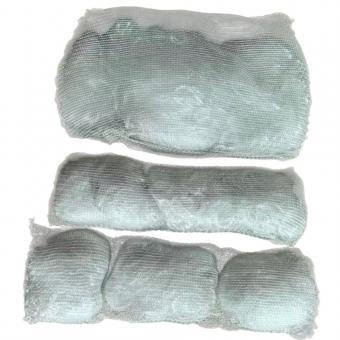
Para la producción OEM o aplicaciones donde el manejo de fibra suelta no es deseable, BSTFLEX puede suministrar una Funda de relleno de silenciador de fibra de vidrio con bolsa de malla de vidrio tejida. El relleno de fibra de vidrio está contenido dentro de una estructura de malla de vidrio tejida y puede personalizarse según el diámetro, la longitud, el peso del relleno y la densidad de empaquetado requerida.
Las aplicaciones de cuatro tiempos no funcionan todas a la misma temperatura. Las motocicletas de alto rendimiento, los motores de carreras y los sistemas de escape de servicio severo pueden imponer condiciones térmicas más exigentes al material más cercano al núcleo perforado.
BSTFLEX ofrece Relleno de silenciador de basalto de fibra de roca LAVA como otra opción de material para aplicaciones de silenciadores de alta temperatura.
El basalto no debe seleccionarse solo porque tiene una capacidad de temperatura más alta sobre el papel. El diseño completo del escape sigue determinando si es el material adecuado.
Al evaluar el relleno de basalto, proporcione:
La región que rodea inmediatamente al tubo perforado puede experimentar la combinación más severa de calor de escape, movimiento de gases y vibración.
Por lo tanto, algunas construcciones de silenciadores de alta temperatura utilizan una capa metálica entre el núcleo perforado y el relleno acústico fibroso principal.
Dependiendo del diseño del escape, esta capa puede utilizar lana de acero inoxidable, material metálico tejido o una pantalla de retención.
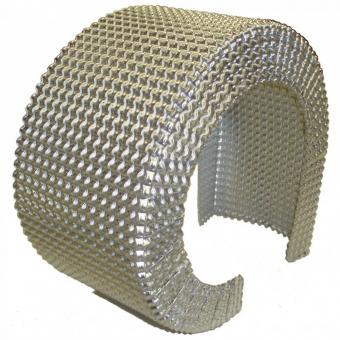
BSTFLEX suministra una Pantalla de escape de acero inoxidable para la retención del relleno del silenciador para aplicaciones que requieren contención de relleno adicional.
El propósito de dicho componente es diferente al del relleno acústico principal. Por lo tanto, debe especificarse por separado en un dibujo OEM o en la lista de materiales.
Un enfoque útil para silenciadores de cuatro tiempos exigentes es una construcción en capas en lugar de llenar toda la cavidad del silenciador con un solo material.
Una disposición simplificada puede consistir en:
Esta disposición permite que cada material realice una tarea diferente. La capa interior metálica puede ayudar a proteger la fibra circundante de las condiciones directas del lado del núcleo, mientras que la capa fibrosa proporciona el mayor volumen de absorción acústica.
El grosor, la densidad y el solapamiento de la capa metálica requeridos deben provenir del diseño de escape aprobado en lugar de seleccionarse arbitrariamente durante el reempaquetado.
Para una discusión detallada sobre esta familia de materiales, consulte Stainless Steel Wool Muffler Packing for High Temperature Exhaust Systems.
El mismo material puede comportarse de manera diferente cuando se instala a diferentes densidades.
Muy poco relleno puede dejar huecos, permitir el movimiento del material y reducir la consistencia acústica. Una compresión excesiva puede cambiar la estructura de la fibra y puede evitar que el relleno se comporte según lo previsto.
Para la producción de escapes OEM, es mejor especificar una cantidad de relleno medible en lugar de depender de instrucciones subjetivas como "empaquetar firmemente".
Una especificación de producción útil puede incluir:
Para un silenciador cilíndrico con un núcleo perforado centrado, el volumen teórico de relleno anular se puede estimar a partir de:
V = π × (D2 - d2) × L / 4000
Cuando las dimensiones se ingresan en milímetros:
Si ya se conoce una densidad de instalación aprobada:
Masa de empaquetado = volumen de empaquetado × densidad de instalación.
Esta fórmula calcula el volumen disponible. No determina la densidad de empaquetado correcta para un nuevo diseño de escape. El valor requerido aún debe provenir de una especificación existente, desarrollo de prototipos o pruebas de aplicación.
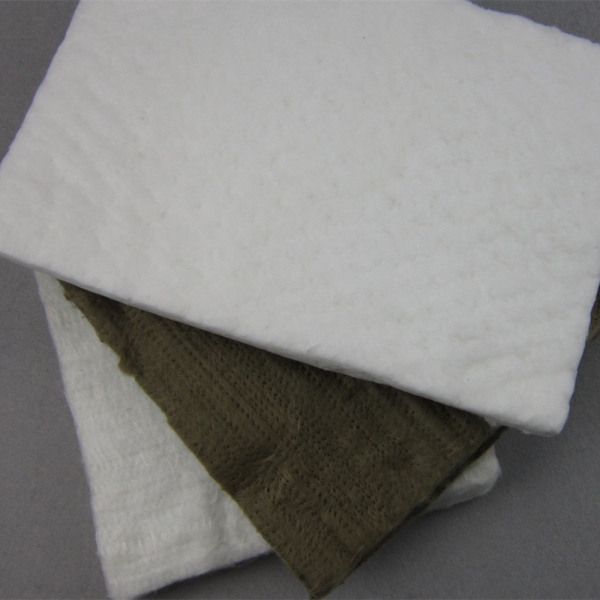
Para la producción repetitiva, especificar la cantidad de fibra por peso puede mejorar la consistencia entre silenciadores.
En lugar de pedir a cada operador de ensamblaje que juzgue visualmente la compresión del empaquetado, el fabricante puede utilizar una cantidad definida de material para cada unidad de escape.
BSTFLEX puede desarrollar componentes de empaquetado basados en:
Los silenciadores de motocicleta representan una de las principales aplicaciones para material de empaquetado de silenciador de 4 tiempos.
Las aplicaciones incluyen:
Un kit de reemplazo específico para el modelo debe coincidir con el silenciador real en lugar de seleccionarse solo por el desplazamiento de la motocicleta. Dos silenciadores instalados en motores similares pueden tener diferentes diámetros de núcleo, dimensiones de carcasa y volúmenes de empaquetado.
Los sistemas de escape de cuatro tiempos para ATV y UTV también pueden utilizar empaquetado acústico reemplazable alrededor de un núcleo perforado.
Para estas aplicaciones, los compradores deben identificar:
Si el escape se utiliza bajo carga pesada sostenida, carreras o condiciones todoterreno severas, proporcione esa información al solicitar una recomendación de material.
Las aplicaciones de escape de alto rendimiento a menudo crean la idea errónea de que la fibra de mayor temperatura es automáticamente el mejor relleno.
En la práctica, la selección del material debe considerar el diseño completo:
El resultado puede ser fibra de vidrio, basalto, una construcción de fibra metálica o una combinación multicapa en lugar de un "relleno de competición" universal.
| Formato de suministro | Ventajas | Comprador típico |
|---|---|---|
| Fibra a granel | Relleno y procesamiento flexibles | Fabricantes de escapes con un proceso de relleno interno establecido |
| Manta de fibra de vidrio | Forma de hoja definida y envoltura conveniente | Aplicaciones de reemplazo y producción |
| Almohadilla de relleno | Relleno contenido y cantidad predeterminada | Kits de relleno y ensamblaje repetido |
| Funda de relleno de malla | Manipulación limpia y geometría de componente controlada | Producción OEM y kits de reemplazo |
| Preforma personalizada | Desarrollado en torno a un silenciador específico | Fabricación de escapes OEM de mayor volumen |
| Relleno compuesto | Diferentes materiales asignados a diferentes funciones térmicas y acústicas | Silenciadores de servicio severo y alta temperatura |
Para un nuevo programa de escape, BSTFLEX puede trabajar a partir de un dibujo, información dimensional o una muestra de relleno existente.
Una secuencia de desarrollo típica es:
Geometría del silenciador → selección de material → cantidad de relleno objetivo → estructura de relleno → prototipo → validación del silenciador → especificación aprobada → suministro de producción
Esto es particularmente útil para los fabricantes que desean un componente listo para la producción en lugar de cortar y pesar material de empaque crudo durante cada ensamblaje de silenciador.
| Aplicación de escape | Motocicleta, motocross, ATV, UTV, carreras, automotriz u otro sistema |
|---|---|
| Motor | Tipo de motor de cuatro tiempos y cilindrada cuando sea relevante |
| Diámetro exterior del núcleo perforado | Dimensión medida o de plano |
| Diámetro interior de la carcasa | Dimensión interna de la cámara de empaque |
| Longitud de empaque | Sección de empaque acústico efectivo |
| Material existente | Fibra de vidrio, basalto, lana de acero inoxidable o construcción compuesta |
| Peso del empaque | Peso en seco existente o peso objetivo requerido si se conoce |
| Temperatura | Valores continuos y máximos con la ubicación de medición identificada |
| Formato de suministro | Fibra, manta, almohadilla, bolsa, calcetín o preforma personalizada |
| Cantidad | Requisito de prototipo y volumen de producción esperado |
| Referencia | Plano, fotografías o muestra física |
Los fabricantes de escapes a menudo requieren más que una hoja de reempaque universal. BSTFLEX apoya programas de empaque personalizados donde el material se convierte en un componente de producción controlado.
La personalización puede incluir:
Para capacidades OEM adicionales, visite Fabricante de empaque para silenciadores para silenciadores de escape OEM.
No existe un único material que sea el mejor para todos los silenciadores de cuatro tiempos. La fibra de vidrio es ampliamente utilizada, mientras que las construcciones de basalto o compuestas pueden considerarse para condiciones térmicas más exigentes. La selección debe basarse en el diseño del silenciador, la temperatura del relleno, la especificación del material, la densidad requerida y el sistema de retención.
Los términos describen la aplicación de escape prevista en lugar de una especificación de material universal. Ambos sistemas pueden utilizar relleno acústico fibroso, pero sus condiciones térmicas, diseños de silenciador, mecanismos de contaminación, cantidades de relleno y especificaciones OEM pueden diferir. Seleccione siempre el relleno de acuerdo con el silenciador real.
Sí. La fibra de vidrio se utiliza comúnmente como relleno acústico en muchos silenciadores de motocicletas y vehículos de deportes motorizados de cuatro tiempos. La construcción de fibra adecuada y la temperatura de servicio aún deben coincidir con la aplicación del escape.
El basalto puede evaluarse cuando el diseño del escape requiere un relleno de fibra mineral con mayor capacidad térmica que el grado de fibra de vidrio bajo consideración. La idoneidad real debe confirmarse según la temperatura de la aplicación, la estructura del relleno y los requisitos de validación.
En algunas construcciones de silenciadores, la lana de acero inoxidable se coloca cerca del núcleo perforado como una capa metálica protectora o de relleno. Puede ayudar a proteger el material fibroso circundante de las condiciones exigentes del lado del núcleo. La estructura requerida depende del diseño original del escape.
Ninguna regla universal de "lo más apretado posible" debe reemplazar una especificación de relleno definida. Siempre que sea posible, utilice el peso de llenado en seco especificado o la densidad instalada. La producción OEM debe controlar estos valores para mejorar la consistencia entre silenciadores.
Utilice la cantidad especificada por el fabricante del silenciador siempre que esté disponible. Para el desarrollo de escapes personalizados, determine el volumen de relleno disponible y establezca la densidad instalada requerida a través de una especificación existente o una validación de prototipo.
Sí. BSTFLEX puede suministrar fibra de vidrio, basalto, lana de acero inoxidable y construcciones de relleno de silenciador combinadas. La personalización puede incluir material, dimensiones, peso del relleno, densidad, estructura de contención y embalaje de acuerdo con dibujos, dimensiones o muestras físicas.
Para un nuevo programa de escape de cuatro tiempos o un requisito de relleno de repuesto existente, envíe a BSTFLEX el dibujo del silenciador, el diámetro del núcleo, las dimensiones de la carcasa, la longitud del relleno, el material actual, el peso del relleno y las condiciones de funcionamiento.
Podemos revisar la información y desarrollar una construcción de relleno de fibra de vidrio, basalto, lana de acero inoxidable o compuesta adecuada para la evaluación de prototipos y la producción OEM.

No.10, Chuangxin North Road, Nanshan Park, Ningguo Economic and Technological Development Zone, Ningguo City, Anhui Province, China
teléfono/Whatsapp : 0086-15856303740
Email : sales@bstbraidedsleeve.com
Skype : vanesa-cheng