Qué buscas?
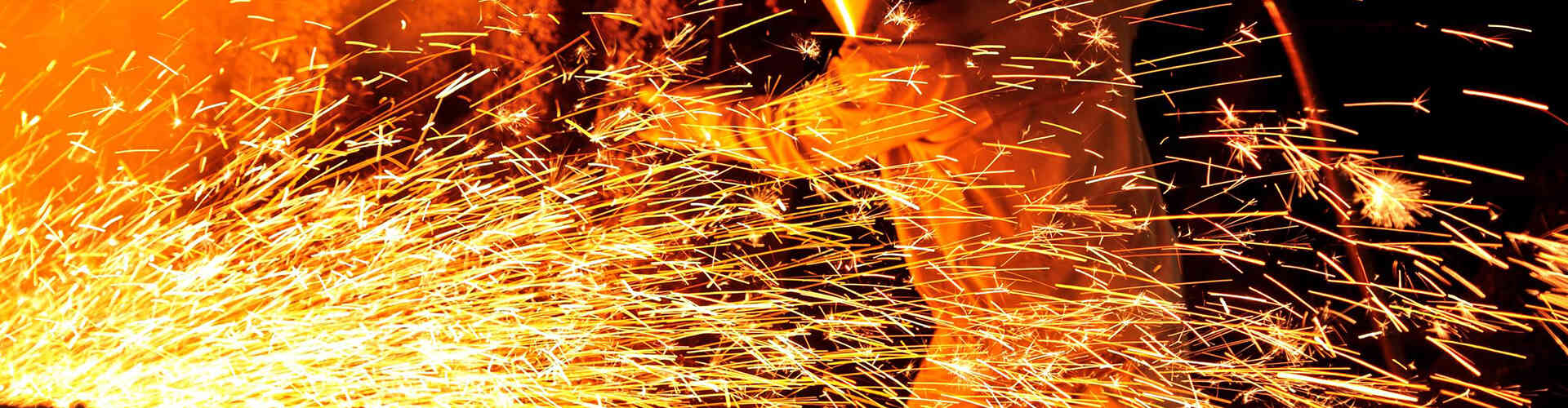
El relleno del silenciador es un componente crítico dentro de muchos sistemas de escape, pero a diferencia de la carcasa metálica del silenciador, es un material consumible que cambia gradualmente durante el funcionamiento. Con el tiempo, la exposición al calor del escape, la velocidad de los gases, la vibración, la humedad y los residuos de combustión hace que la estructura del relleno se comprima, se debilite o pierda eficacia.
Entonces, ¿cuánto dura el relleno del silenciador? La respuesta depende del diseño del escape, el tipo de motor, la temperatura de funcionamiento, la estructura del material y las condiciones de uso. En algunas aplicaciones estándar, el relleno del silenciador puede durar varios años. En sistemas de escape de competición de alto rendimiento, puede ser necesario reemplazarlo mucho antes.
Para propietarios de motocicletas, fabricantes de escapes, marcas de escapes de alto rendimiento y compradores OEM, comprender la vida útil del relleno del silenciador ayuda a reducir los costos de mantenimiento, evitar aumentos inesperados del ruido y seleccionar el material de reemplazo correcto.
BSTFLEX suministra materiales profesionales de relleno para silenciadores de escapes de motocicletas, silenciadores de alto rendimiento, sistemas ATV/UTV, silenciadores automotrices y aplicaciones de escapes OEM. Explora la categoría completa de productos de relleno para silenciadores para diferentes soluciones de relleno de escapes.
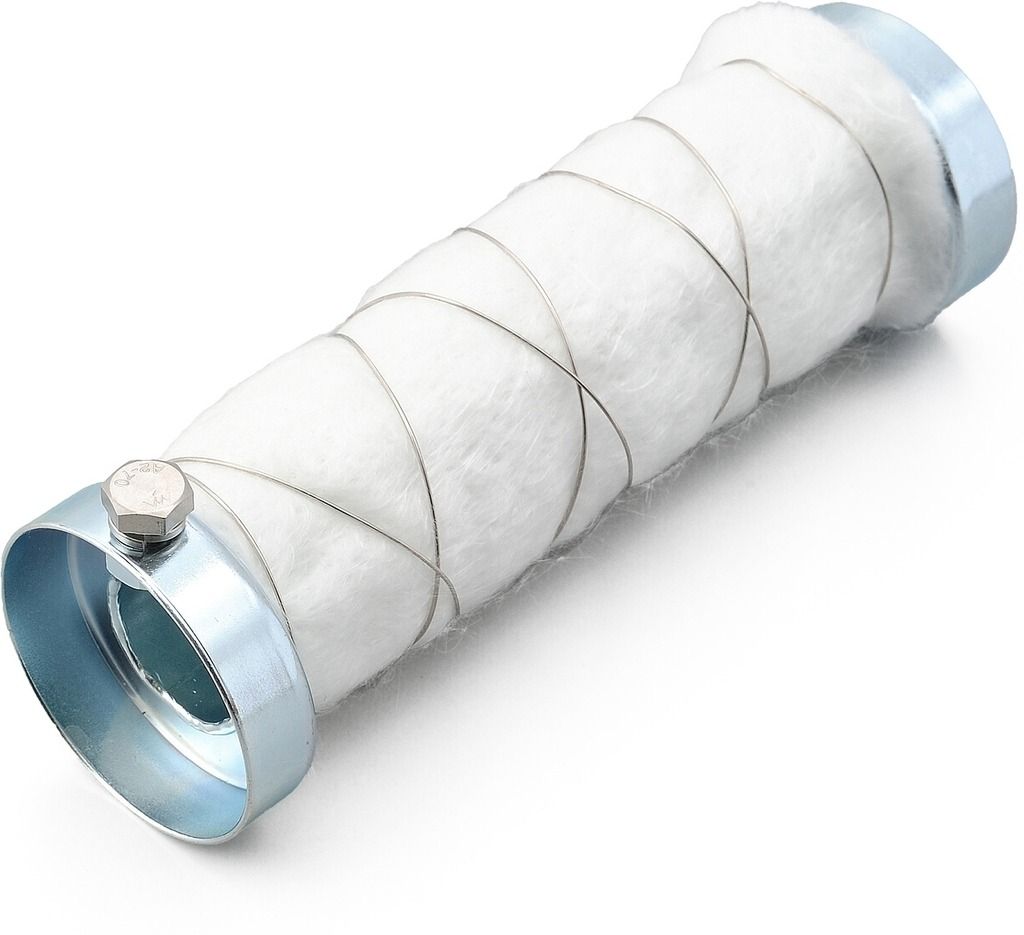
No existe un intervalo de reemplazo universal para el relleno del silenciador porque cada sistema de escape funciona bajo diferentes condiciones. Una motocicleta urbana pequeña y un motor de competición de alta potencia crean entornos completamente diferentes dentro del silenciador.
| Aplicación | Vida útil típica del relleno del silenciador | Factores principales |
|---|---|---|
| Escape de motocicleta urbana | De 1 a 3 años | Temperatura normal, vibración moderada |
| Escape de motocicleta de alto rendimiento | De 6 a 18 meses | Mayor temperatura y presión de los pulsos de escape |
| Sistema de escape de competición | De varias carreras a varios meses | Temperatura extrema y alta velocidad de los gases |
| Escape de ATV / UTV | De 1 a 2 años | Vibración, polvo, condiciones todoterreno |
| Escape automotriz OEM | Varios años | Condiciones de funcionamiento controladas |
Estos valores son solo referencias generales. La vida útil real depende en gran medida de la selección del material y del diseño del escape.
La falla del relleno del silenciador normalmente no es causada por un único factor. Generalmente es el resultado de múltiples tensiones que actúan juntas.
La temperatura es uno de los factores más importantes que afectan la vida útil del relleno del silenciador.
Durante el funcionamiento del motor, los gases de escape pueden generar un calor extremo dentro del silenciador. La exposición continua a altas temperaturas cambia gradualmente la estructura de las fibras. El material puede volverse quebradizo, perder flexibilidad, comprimirse o desintegrarse.
El relleno de fibra de vidrio para silenciadores funciona bien en muchas aplicaciones de escape porque ofrece buena resistencia al calor y absorción acústica. Sin embargo, cuando la temperatura del escape supera el rango adecuado durante largos períodos, la degradación se acelera.
Los motores de alto rendimiento, los sistemas turboalimentados, las aplicaciones de competición y los motores que funcionan a RPM elevadas de forma continua suelen requerir estructuras de relleno más avanzadas.
El tipo de motor influye directamente en la vida útil del relleno del silenciador.
Los diferentes motores crean distintos entornos de escape:
Un material adecuado para la conducción ocasional en calle puede no soportar las condiciones de las carreras profesionales o de la operación industrial continua.
La alta velocidad de los gases de escape puede dañar físicamente los materiales de relleno.
Cuando los gases de escape pasan por el núcleo perforado a alta velocidad, generan tensión mecánica en la capa de relleno circundante. Con el tiempo, las fibras pueden desplazarse, comprimirse o salir por la salida de escape.
Este proceso suele denominarse expulsión del relleno.
Para los sistemas de escape de alto flujo, a menudo se recomienda una estructura de relleno reforzada. Una capa de lana de acero inoxidable o una malla de acero inoxidable puede ayudar a proteger la capa principal de relleno acústico del impacto directo de los gases.
Los sistemas de escape están expuestos a una vibración constante del motor y del movimiento del vehículo.
La vibración repetida puede causar:
Esto es especialmente importante para motocicletas, sistemas de ATV y vehículos todoterreno donde los niveles de vibración son más altos.
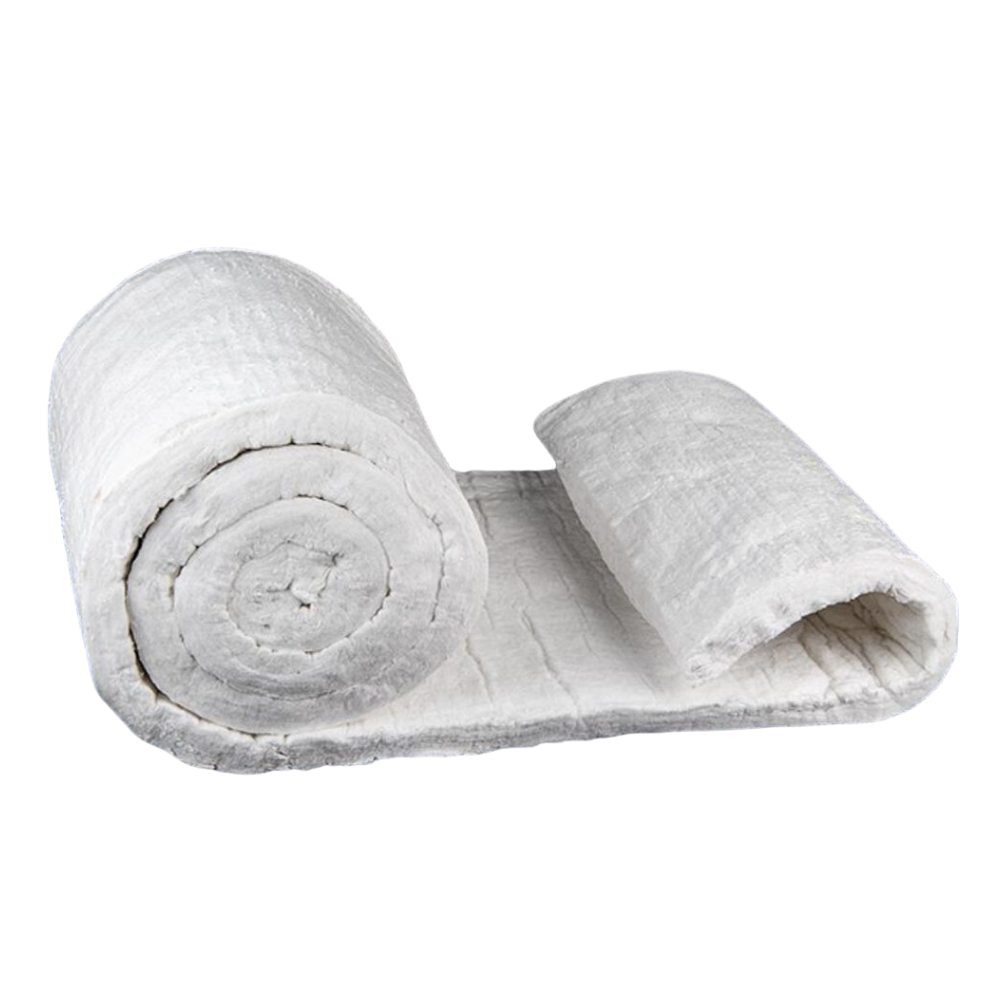
La fibra de vidrio es uno de los materiales de relleno para silenciadores más utilizados porque proporciona un buen equilibrio entre rendimiento y costo.
La duración del relleno de fibra de vidrio para silenciadores depende de:
En aplicaciones normales de motocicletas y automóviles, el relleno de fibra de vidrio puede proporcionar un servicio confiable durante un largo período. Sin embargo, la fibra de vidrio suelta puede deteriorarse más rápido si queda expuesta directamente a fuertes pulsaciones de escape.
Una estructura contenida puede mejorar la vida útil.
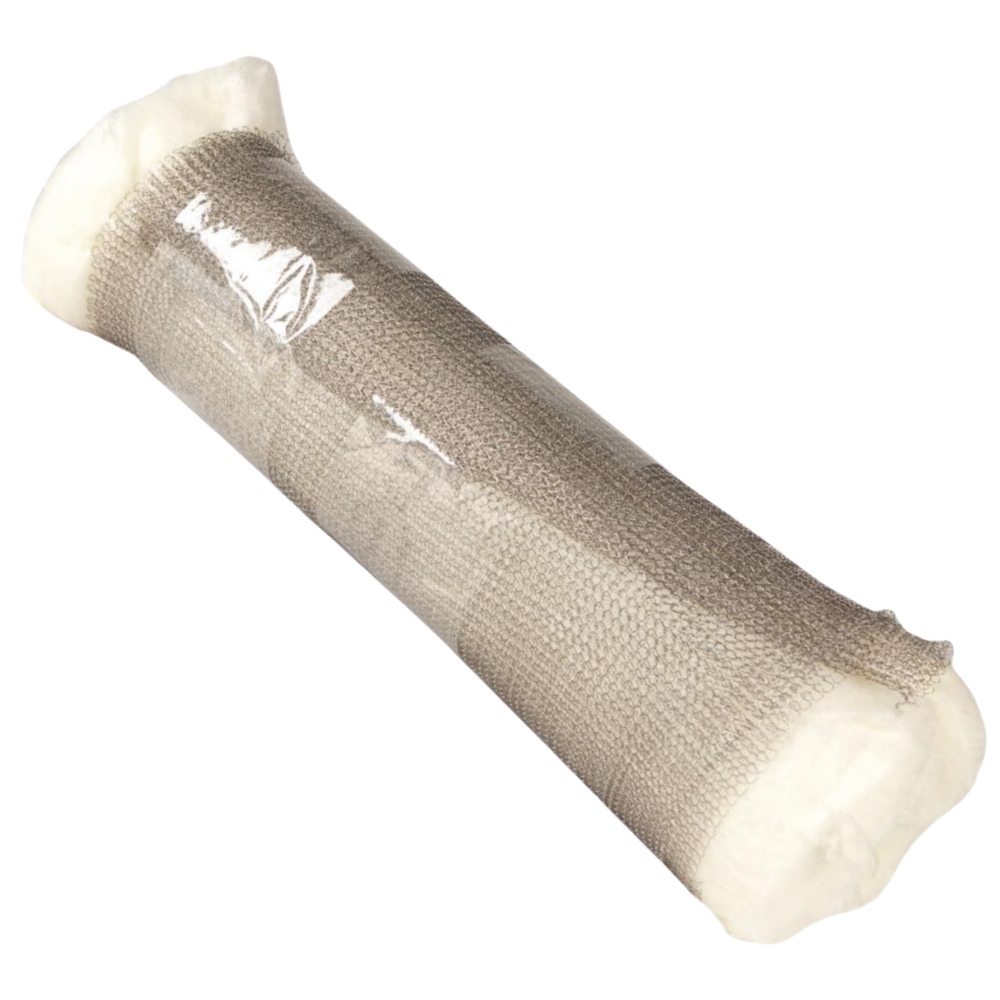
El Calcetín de relleno de fibra de vidrio para silenciador con bolsa de malla de vidrio tejidoutiliza una capa exterior de malla de fibra de vidrio tejida para contener el hilo interno de fibra de vidrio. Esta estructura ayuda a mantener la posición del relleno y proporciona una instalación más limpia en comparación con los materiales de fibra suelta.
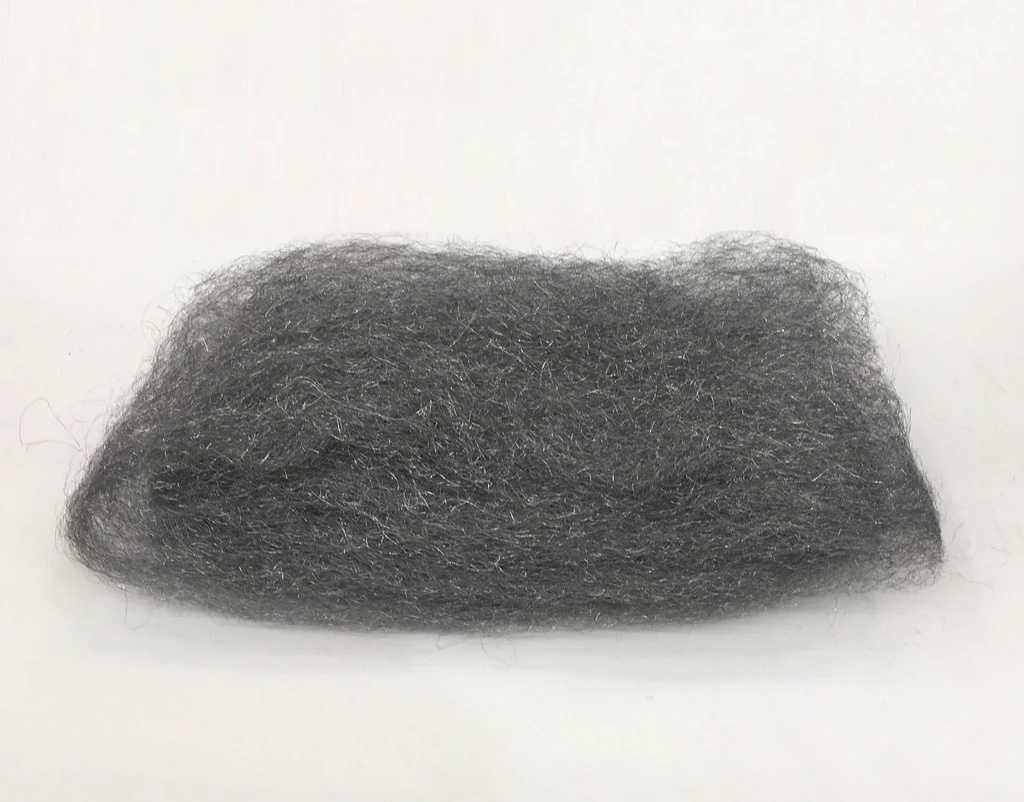
La lana de acero inoxidable generalmente proporciona una mayor durabilidad mecánica que la fibra de vidrio tradicional porque la estructura metálica es más resistente al movimiento y la erosión.
Se utiliza comúnmente en:
Sin embargo, la lana de acero inoxidable no siempre se utiliza como el único material de relleno.
Su mayor ventaja es la protección y la durabilidad, mientras que la fibra de vidrio proporciona una absorción acústica más fuerte. Muchos diseños profesionales de escape combinan lana de acero inoxidable con fibra de vidrio para lograr un mejor equilibrio.
El relleno del silenciador suele proporcionar señales de advertencia antes de fallar por completo.
La señal más común es un aumento del ruido del escape.
Cuando el relleno pierde densidad o se quema, las ondas sonoras ya no se absorben eficazmente. El tono del escape se vuelve más fuerte, más agudo o más agresivo.
Un silenciador en buen estado suele producir un tono de escape controlado. Cuando el relleno se deteriora, el sonido puede volverse:
Si se observan fibras de fibra de vidrio en la salida del escape, normalmente indica daños en el relleno interno o una erosión excesiva causada por los gases.
Un relleno dañado puede afectar las características del escape y crear un rendimiento inconsistente, especialmente en sistemas de escape de alto rendimiento.
Cuando disminuye el rendimiento del aislamiento interno, se transfiere más calor a la carcasa del silenciador.
La selección adecuada del material y la instalación correcta pueden mejorar significativamente la vida útil.
El primer paso es seleccionar un material adecuado para la aplicación.
Ejemplos:
Una densidad incorrecta del relleno es una razón común de fallos prematuros.
Si el relleno está demasiado suelto:
Si el relleno está demasiado apretado:
Los sistemas de escape de alto rendimiento suelen beneficiarse de estructuras de retención adicionales.
Las opciones incluyen:
Los fabricantes de silenciadores OEM deben considerar el relleno del silenciador como parte del diseño completo del sistema de escape, en lugar de un simple material de relleno.
Los factores de ingeniería importantes incluyen:
Para aplicaciones de producción, los componentes de relleno preformados pueden mejorar la consistencia y reducir la variación del ensamblaje.
BSTFLEX admite el desarrollo OEM, incluyendo:
Para la evaluación técnica y la cotización, los compradores deben proporcionar:
¿Cuánto dura el relleno del silenciador? La respuesta depende de la temperatura, el tipo de motor, el diseño del escape, la selección del material y la calidad de instalación.
El relleno de fibra de vidrio para silenciadores proporciona un excelente rendimiento general para la mayoría de los sistemas de escape. La lana de acero inoxidable mejora la durabilidad en aplicaciones exigentes. Las estructuras compuestas suelen ofrecer el mejor equilibrio entre control del sonido y vida útil.
La inspección regular y la selección correcta del material pueden prolongar significativamente la vida útil del relleno del escape, reducir la frecuencia de mantenimiento y mejorar la satisfacción del cliente.
BSTFLEX proporciona soluciones personalizadas de relleno para silenciadores a fabricantes de escapes para motocicletas, marcas de escapes de alto rendimiento, distribuidores y clientes OEM.
El relleno del silenciador de motocicleta suele durar desde varios meses hasta varios años, dependiendo del estilo de conducción, la temperatura del escape, el tipo de motor y el material de relleno.
El reemplazo depende de la aplicación. Los sistemas de escape de alto rendimiento y de competición suelen requerir un reemplazo más frecuente que las aplicaciones estándar de calle.
Sí. El relleno de fibra de vidrio pierde rendimiento gradualmente debido al calor, la vibración, la compresión y la erosión causada por los gases de escape.
Usar el material correcto, mantener una densidad adecuada y añadir capas de retención para aplicaciones exigentes puede prolongar la vida útil del relleno del silenciador.
Las razones comunes incluyen una selección incorrecta del material, una temperatura excesiva del escape, una alta velocidad de los gases, una instalación deficiente o una retención insuficiente.

No.10, Chuangxin North Road, Nanshan Park, Ningguo Economic and Technological Development Zone, Ningguo City, Anhui Province, China
teléfono/Whatsapp : 0086-15856303740
Email : sales@bstbraidedsleeve.com
Skype : vanesa-cheng