Qué buscas?
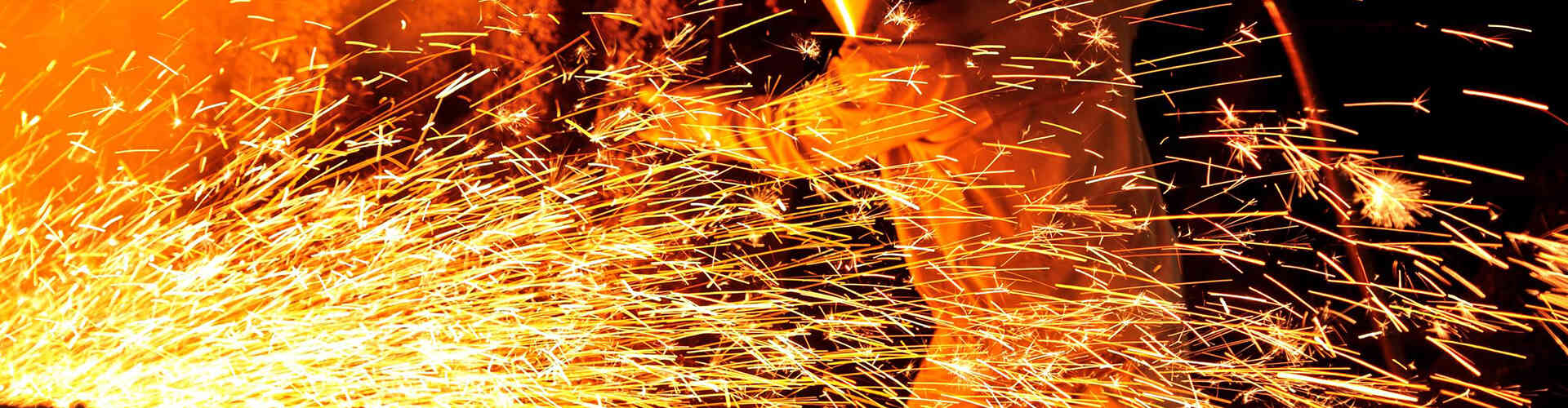
No existe un único material que pueda considerarse el mejor aislamiento para tubos de escape en todos los sistemas de alta temperatura.
Un material que funciona bien alrededor del tubo de escape de un generador puede ser innecesariamente pesado para el tubo de bajada de un automóvil. Una envoltura textil ligera utilizada en un vehículo de alto rendimiento puede no ser adecuada para una gran línea de escape marina que requiera aislamiento extraíble. Un escudo de metal pulido puede controlar el calor radiante de manera efectiva, pero no puede reemplazar un núcleo de aislamiento grueso cuando el objetivo es reducir la temperatura en el exterior del aislamiento del tubo.
El material de aislamiento para tubos de escape correcto depende, por lo tanto, de lo que se espera que logre el sistema térmico.
Para la mayoría de los proyectos de escape de alta temperatura, los ingenieros eligen entre varias familias de materiales:
fibra de vidrio;
fibra de alta sílice;
fibra de basalto;
cerámica u otra fibra de aislamiento de alta temperatura;
acero inoxidable;
aluminio;
barreras metálicas de aleación de níquel;
combinaciones multicapa de estos materiales.
La solución más efectiva a menudo no es un solo material.
Es una combinación cuidadosamente seleccionada.
BSTFLEX fabrica aislamiento para tubos de escape y sistemas de protección térmica de escape personalizados para aplicaciones automotrices, de motores diésel, marinas, de generadores e industriales.
Un error común en la selección de aislamiento de escape es preguntar:
“¿Qué material resiste la temperatura más alta?”
Esa pregunta está incompleta.
Un sistema de aislamiento de escape de alta temperatura normalmente realiza varias funciones al mismo tiempo.
La capa del lado caliente debe tolerar la superficie del escape.
El núcleo de aislamiento debe ralentizar la transferencia de calor.
La capa exterior debe sobrevivir a la manipulación, la vibración y la contaminación.
El sistema de sujeción debe mantener el conjunto en su lugar después de repetidos ciclos de calentamiento y enfriamiento.
Estos requisitos rara vez apuntan exactamente al mismo material.
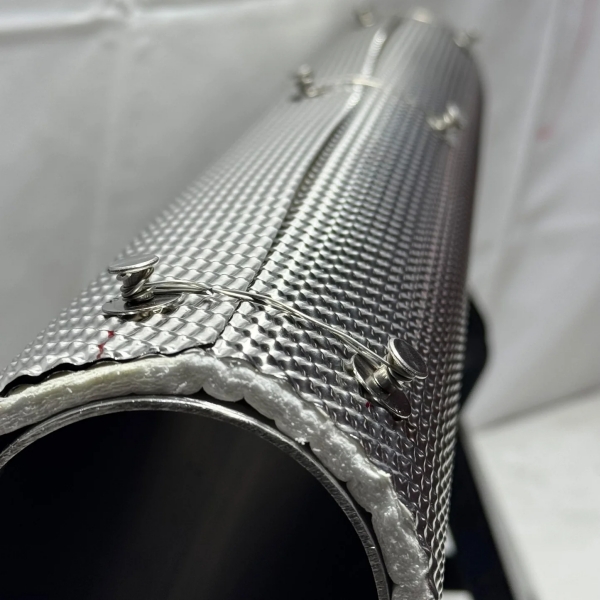
Por lo tanto, una manta de escape extraíble podría construirse como:
Tubo de escape caliente
↓
Revestimiento interior de alta temperatura
↓
Núcleo de aislamiento
↓
Tejido exterior protector o cubierta metálica
↓
Sistema de sujeción mecánica
Este enfoque en capas permite que cada material realice el trabajo que mejor maneja.
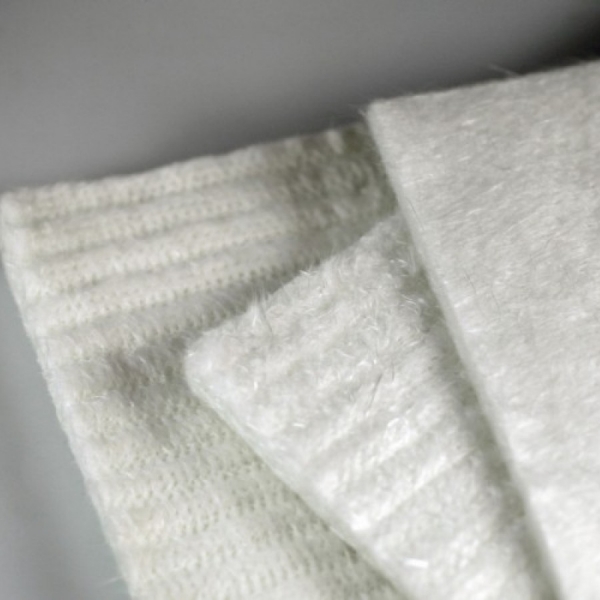
La fibra de vidrio es uno de los materiales más utilizados en el aislamiento térmico de escapes porque ofrece un equilibrio útil entre rendimiento térmico, flexibilidad, disponibilidad y costo de fabricación.
Puede convertirse en:
tejido;
aislamiento punzonado;
cinta;
funda trenzada;
envoltura para escape;
componentes de mantas extraíbles.
Esta versatilidad es importante.
Un fabricante puede utilizar la fibra de vidrio de manera diferente dependiendo de si el componente de escape es un tubo recto, un codo, un silenciador o una carcasa irregular.
El aislamiento a base de fibra de vidrio se considera comúnmente para:
tuberías de escape diésel;
líneas de escape de generadores;
componentes de escape de vehículos;
cerramientos de equipos;
mantas aislantes extraíbles;
sistemas de escape industriales.
Es especialmente útil cuando la temperatura de escape está dentro de la capacidad de la construcción de fibra de vidrio seleccionada y cuando la exposición directa extrema al lado caliente no es el requisito predominante.
La ventaja no es simplemente el precio.
La fibra de vidrio es fácil de:
cortar;
coser;
laminar;
envolver;
cubrir con fundas;
combinar con recubrimientos;
incorporar en sistemas multicapa.
Esto brinda a los diseñadores una libertad considerable al producir aislamiento personalizado para tubos de escape.
Si la temperatura del lado caliente se acerca o supera el rango operativo confiable de una construcción de fibra de vidrio estándar, el diseño debe avanzar hacia fibras de mayor temperatura o proteger la fibra de vidrio detrás de otra capa en el lado caliente.
Ahí es donde la sílice se vuelve importante.
El tejido de alta sílice es una familia de materiales importante para aislamiento de tubos de escape de alta temperatura.
En comparación con la fibra de vidrio convencional, los materiales de alta sílice se seleccionan cuando se requiere una mayor resistencia a la exposición sostenida a altas temperaturas.
Se pueden suministrar como:
tejido;
cinta;
funda;
recubrimiento aislante;
revestimiento de manta;
venda para escape.
BSTFLEX también trabaja con textiles de alto contenido en sílice para otras aplicaciones de protección contra temperaturas extremas, lo que confiere al material un papel consolidado dentro de los sistemas de aislamiento de alta temperatura.
El material de alto contenido en sílice es especialmente relevante en:
motores diésel de alto rendimiento;
sistemas de escape turboalimentados;
colectores;
tubos de bajada calientes;
sistemas de escape de generadores;
tuberías de escape industriales.
En muchas mantas diseñadas, la capa de sílice puede concentrarse donde la temperatura es más alta.
Por ejemplo:
Lado caliente: tejido de sílice
Medio: núcleo aislante
Lado exterior: fibra de vidrio recubierta o capa de protección mecánica
Esto puede lograr un mejor rendimiento general y control de costes que construir cada capa con el mismo textil de alta temperatura.
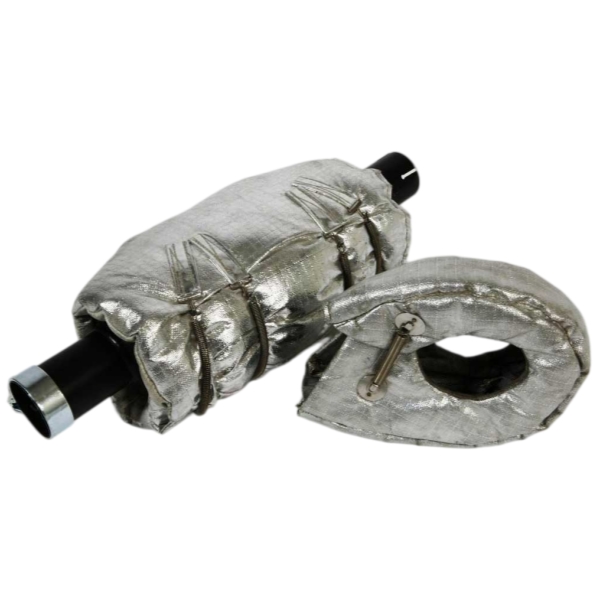
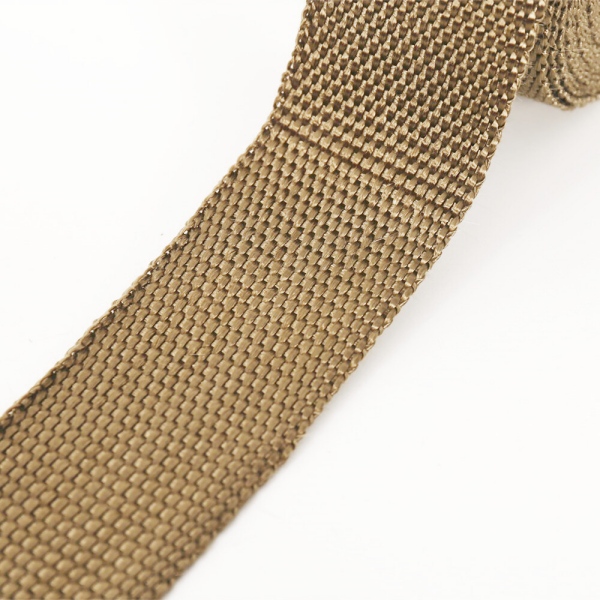
La fibra de basalto ocupa una posición importante entre los textiles para escape convencionales y el aislamiento especializado para temperaturas extremas.
Es especialmente conocida en el mercado de la automoción y los escapes de alto rendimiento.
El textil de basalto puede fabricarse en productos flexibles tales como:
venda para escape;
cinta;
fundas;
componentes de manta.
Su flexibilidad la hace útil donde el aislamiento debe seguir la geometría curva de una tubería.
Las aplicaciones típicas incluyen:
colectores;
tubos de bajada;
sistemas de escape para motocicletas;
tuberías de escape automotrices;
mantas térmicas moldeadas.
El basalto es particularmente atractivo cuando la flexibilidad de instalación es importante.
Para una línea de escape de un generador grande que requiere un objetivo de temperatura de superficie externa definido, simplemente envolver la tubería con cinta de basalto puede no ser suficiente.
Un sistema de manta multicapa más grueso puede proporcionar un mayor control.
Esto ilustra una distinción importante:
La fibra con mayor resistencia al calor no es automáticamente el sistema de aislamiento con el mejor rendimiento térmico.
El espesor, la densidad, el método de instalación y el movimiento del aire son importantes.
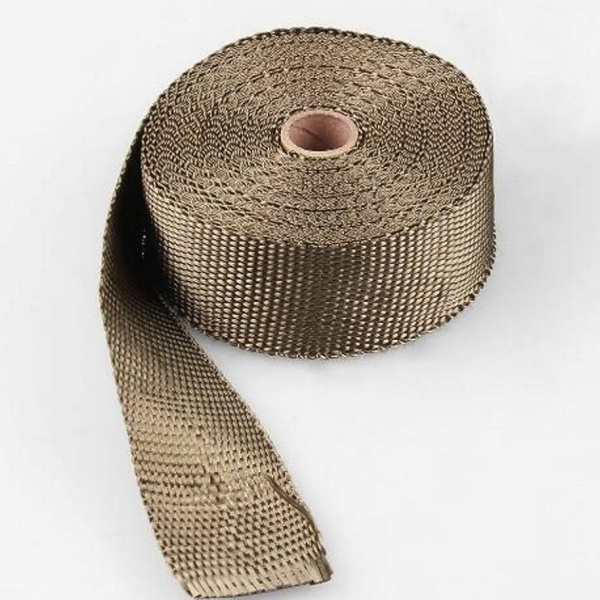
Algunos sistemas de escape necesitan considerablemente más resistencia térmica de la que puede proporcionar una capa textil delgada.
Esto es común donde:
la temperatura de escape es alta;
el personal trabaja cerca de la tubería;
la temperatura del recinto debe controlarse;
los componentes cercanos tienen límites de temperatura bajos;
el espacio de instalación es restringido.
En estos casos, se puede introducir un núcleo de aislamiento de alta temperatura.
Dependiendo de la aplicación, esto puede incluir aislamiento de fibra de alta temperatura a base de cerámica u otro tipo de fibra diseñada.
El núcleo proporciona la resistencia térmica.
Normalmente no se deja expuesto.
En cambio, se encierra entre capas protectoras.
Una construcción típica podría ser:
malla de acero inoxidable o tejido de alta temperatura
núcleo de aislamiento de alta temperatura
tejido exterior recubierto
Esto es muy diferente de una envoltura de escape básica.
Se comporta más como una chaqueta térmica extraíble.
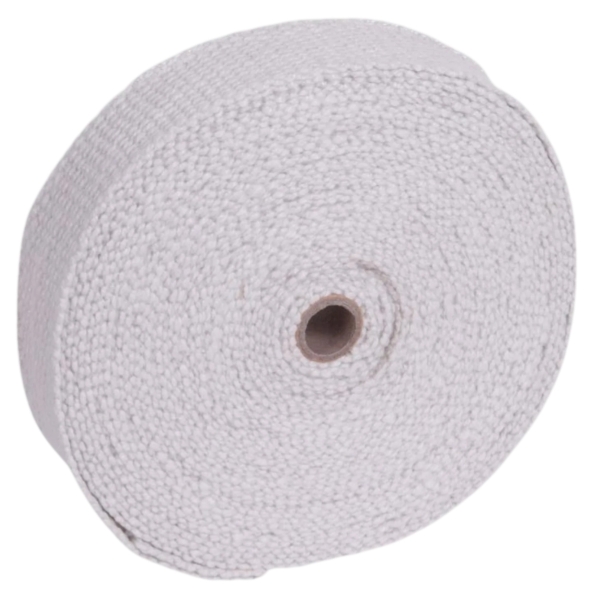
El acero inoxidable se menciona con frecuencia como un material de aislamiento para tuberías de escape, pero técnicamente desempeña un papel diferente al del aislamiento fibroso.
El acero inoxidable en sí mismo no se selecciona normalmente porque sea un aislante térmico grueso.
Su valor proviene de:
resistencia a la temperatura;
resistencia mecánica;
resistencia a la oxidación;
protección contra la abrasión;
estabilidad estructural;
idoneidad para escudos formados delgados.
BSTFLEX ya utiliza acero inoxidable en construcciones de escudos térmicos de escape, incluidos sistemas de aislamiento metálico para aplicaciones de escape.
Cubierta exterior
Protección del aislamiento blando contra daños.
Revestimiento del lado caliente
Proporcionar una superficie duradera adyacente al componente de escape.
Refuerzo de malla
Refuerzo de mantas flexibles.
Escudo térmico rígido
Creación de una barrera entre el tubo y un componente cercano.
maquinaria pesada;
vehículos de carretera;
entornos marinos;
motores industriales;
instalaciones con alta vibración;
áreas expuestas a contacto mecánico.
Un sistema de aislamiento blando puede tener una excelente resistencia térmica pero una vida útil mecánica deficiente si su superficie exterior roza continuamente contra otro componente.
Una capa protectora de acero inoxidable puede resolver ese problema.
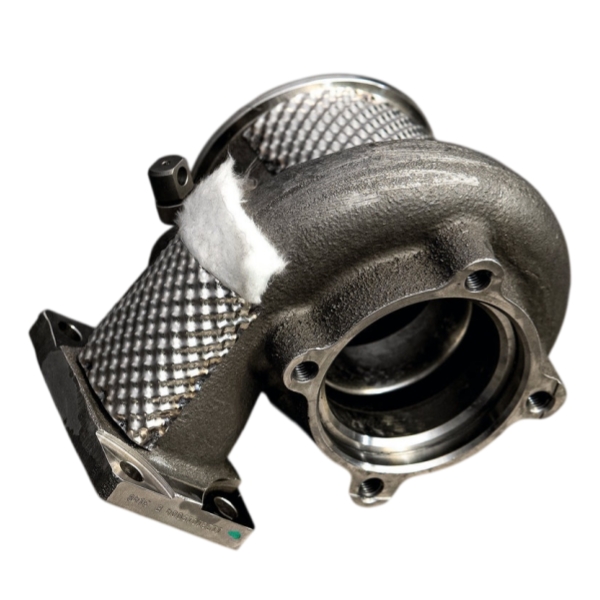
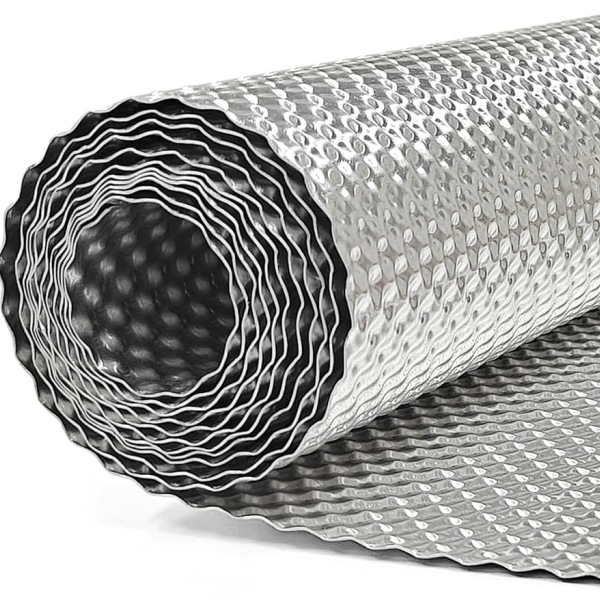
El aluminio se utiliza ampliamente en la gestión térmica automotriz debido a su bajo peso y su capacidad para funcionar como una barrera térmica reflectante.
Pero no debe confundirse con un núcleo de aislamiento de escape grueso.
Si el problema principal es:
“El tubo de escape está irradiando calor hacia el suelo de un vehículo”.
un escudo de aluminio puede ser altamente efectivo.
Si el problema es:
“Necesitamos reducir la temperatura de la superficie externa accesible de este tubo de escape de generador”.
una lámina de aluminio delgada por sí sola no proporcionará la misma función que una manta de aislamiento multicapa.
escudos de escape de bajos;
escudos de silenciador;
barreras térmicas de suelo;
escudos de convertidor catalítico;
barreras del compartimento del motor.
La efectividad de un escudo metálico reflectante también está fuertemente influenciada por el espacio de aire de la instalación.
Eso significa que la geometría del diseño importa casi tanto como el material.
Existen aplicaciones donde el aluminio o el acero inoxidable convencionales ya no son la solución metálica ideal.
Los motores de alto rendimiento, los sistemas de automovilismo, las regiones de turbocompresores y los entornos de escape industriales severos pueden requerir una mayor resistencia a la oxidación y un mejor rendimiento a altas temperaturas.
Las aleaciones de níquel pueden considerarse para estas condiciones.
BSTFLEX fabrica un Escudo térmico de Inconel Alloy 625 para aplicaciones exigentes de barrera térmica.
La aleación de níquel no suele seleccionarse como un material de aislamiento de escape de bajo costo y uso general.
Se utiliza cuando las exigencias ambientales justifican el costo adicional del material.
Esto puede incluir:
calor localizado extremo;
ciclos térmicos severos;
corrosión;
condiciones mecánicas exigentes;
sistemas de escape de alto rendimiento.
En lugar de comparar solo las clasificaciones de temperatura, compare lo que cada material aporta al sistema final.
| Material | Función principal | Flexibilidad | Protección mecánica | Uso típico |
|---|---|---|---|---|
| Fibra de vidrio | Aislamiento térmico general | Alta | Moderada | Mantas, envolturas, fundas |
| Sílice de alta pureza | Protección textil para temperaturas más altas | Alta | Moderada | Capas del lado caliente, envolturas, mantas |
| Basalto | Textil flexible de alta temperatura | Alta | Moderada | Envolturas de escape, aislamiento automotriz |
| Núcleo de fibra de alta temperatura | Capa de aislamiento principal | Media | Baja sin recubrimiento | Mantas y chaquetas gruesas |
| Aluminio | Barrera de calor radiante | De bajo a medio | Moderado | Escudos para bajos y tuberías |
| Acero inoxidable | Protección mecánica y del lado caliente | Bajo | Alto | Escudos, chaquetas, malla |
| Aleación de níquel | Protección térmica metálica para servicio severo | Bajo | Alto | Entornos de escape extremos |
Ninguna columna identifica a un ganador universal.
Es exactamente por eso que la selección del material debe seguir a la aplicación.
Las instalaciones de generadores crean una combinación de requisitos particularmente exigente.
La tubería de escape puede pasar a través de:
recintos acústicos;
salas de máquinas;
contenedores;
carcasas de equipos.
El calor liberado por la tubería puede afectar tanto a las personas como al equipo circundante.
Por lo tanto, el aislamiento de los generadores a menudo favorece una chaqueta extraíble multicapa.
Un concepto de ingeniería típico puede combinar:
capa duradera del lado caliente;
núcleo de aislamiento térmico sustancial;
chaqueta exterior protectora;
fijación mecánica.
¿Por qué extraíble?
Porque los sistemas de escape de los generadores contienen puntos de servicio.
Un revestimiento permanente puede dificultar la inspección futura.
Por esta razón, el material de aislamiento para tuberías de escape de generadores debe evaluarse junto con los requisitos de mantenimiento en lugar de simplemente seleccionar la fibra más gruesa disponible.
Los entornos marinos introducen otro problema de selección.
El aislamiento puede estar expuesto a:
humedad;
agua;
sal;
aceite;
vibración;
ventilación restringida.
Una fibra que resiste bien la temperatura de escape aún puede necesitar una cubierta exterior adecuada para sobrevivir en el entorno marino.
Por lo tanto, los sistemas de escape marinos secos se benefician con frecuencia de mantas aislantes desmontables con capas exteriores protectoras.
Se debe prestar especial atención a:
levantadores de escape;
codos;
bridas;
conexiones del turbocompresor;
tubería de escape del generador.
El sistema de materiales también debe permitir inspeccionar el componente de escape subyacente cuando sea necesario.
Los vehículos crean casi el desafío de diseño opuesto.
El espacio puede ser extremadamente limitado.
Es posible que no haya lugar para una manta desmontable gruesa alrededor de cada sección de escape.
Es por esto que los sistemas automotrices suelen combinar varios materiales.
Por ejemplo:
Colector: cinta anticalórica de basalto u otro material para escape
Carcasa del turbo: manta aislante adaptada
Tubo de bajada: manta térmica moldeada
Catalizador: escudo térmico de acero inoxidable o aluminio
Piso: barrera reflectante ligera
Por lo tanto, el mejor sistema de gestión térmica automotriz suele ser una combinación de materiales en lugar de un único «mejor aislamiento de escape».
Las clasificaciones de temperatura son útiles, pero deben interpretarse correctamente.
La especificación de un material puede referirse a:
exposición continua;
exposición intermitente;
pico de corta duración;
llama directa;
supervivencia del material.
Estas no son condiciones equivalentes.
Que un material permanezca físicamente intacto a una temperatura determinada no significa automáticamente que una manta aislante completa vaya a mantener la temperatura de superficie exterior requerida en esa misma condición.
El rendimiento del sistema completo depende de:
el espesor del aislamiento;
la densidad;
la temperatura de la fuente de calor;
la duración de la exposición;
el flujo de aire;
la temperatura ambiente;
las condiciones de contacto;
la compresión de la instalación.
Para proyectos de ingeniería, por lo tanto, se deben especificar las condiciones completas de servicio.
En lugar de enviar a un proveedor solo:
Temperatura de escape: 700°C
proporcione un informe térmico más completo.
tubo de escape;
colector;
turbocompresor;
silenciador;
codo.
temperatura superficial continua;
excursión máxima;
duración operativa.
diámetro exterior del tubo;
longitud aislada;
curvas;
bridas;
soportes.
temperatura exterior de la superficie requerida;
límite de temperatura de los componentes cercanos;
espesor de aislamiento disponible.
automotriz;
marino;
generador;
industrial estacionario;
exterior;
adjunto.
nivel de vibración;
abrasión;
humedad;
exposición al aceite;
facilidad de extracción.
Esta información permite al fabricante seleccionar el sistema de materiales en lugar de adivinar a partir de un solo valor de temperatura.
Para muchos proyectos reales, la solución se parece más a una de las siguientes.
Adecuada para muchas aplicaciones diésel o industriales.
Posible arquitectura:
tejido interior resistente al calor + aislamiento fibroso + tejido exterior duradero
Esto proporciona flexibilidad y una instalación extraíble.
Se utiliza donde el lado caliente exige una mayor resistencia a la temperatura.
Posible arquitectura:
tejido de alto contenido en sílice para el lado caliente + núcleo de aislamiento de alta temperatura + funda exterior reforzada
Esto separa el requisito de superficie de alta temperatura del requisito de protección mecánica.
Se utiliza donde tanto la temperatura como la durabilidad física son exigentes.
Posible arquitectura:
revestimiento de acero inoxidable o aleación de níquel + núcleo de aislamiento + sistema de fijación reforzado
Este tipo de diseño es particularmente relevante donde el contacto mecánico, la contaminación o las condiciones de servicio severas dañarían rápidamente un tejido expuesto.
La respuesta depende del trabajo que el material deba realizar.
Elija fibra de vidrio cuando un tejido térmico versátil y económico sea adecuado.
Elija sílice de alta pureza cuando el tejido del lado caliente requiera una mayor capacidad de alta temperatura.
Considere el basalto para envoltorios de escape flexibles y aplicaciones térmicas automotrices.
Utilice un núcleo de fibra de alta temperatura cuando se requiera una resistencia térmica significativa.
Utilice aluminio principalmente cuando el objetivo es la reflexión del calor radiante con poco peso.
Utilice acero inoxidable cuando la durabilidad mecánica y la protección contra altas temperaturas sean importantes.
Considere aleación de níquel para condiciones térmicas y ambientales severas.
Para muchos sistemas de escape exigentes, el mejor resultado se obtiene combinando dos o más de estos materiales.
Es por eso que la construcción completa del aislamiento siempre debe evaluarse en lugar de elegir un material de aislamiento de escape basándose únicamente en una tabla de temperaturas.
BSTFLEX fabrica aislamiento para tubos de escape, mantas extraíbles, envolturas térmicas, revestimientos flexibles y escudos térmicos metálicos personalizados para sistemas de escape automotrices, marinos, de motores diésel, generadores e industriales.
Para un proyecto personalizado, proporcione las dimensiones del tubo de escape, la temperatura de funcionamiento continuo, el entorno de instalación, el grosor de aislamiento disponible y la cantidad requerida. La selección del material puede basarse entonces en las condiciones térmicas y mecánicas reales de la aplicación.

No.10, Chuangxin North Road, Nanshan Park, Ningguo Economic and Technological Development Zone, Ningguo City, Anhui Province, China
teléfono/Whatsapp : 0086-15856303740
Email : sales@bstbraidedsleeve.com
Skype : vanesa-cheng